

Characteristics of an Impedance Meter Scale
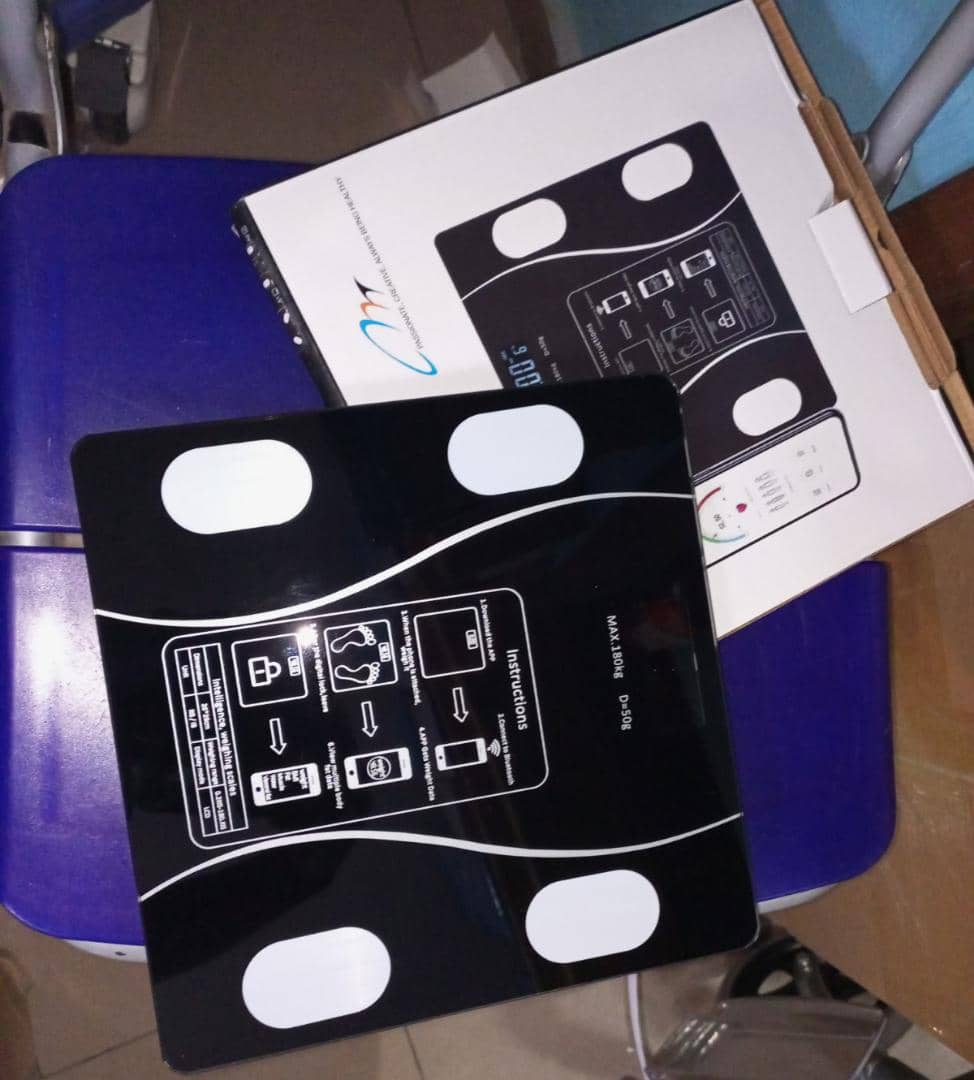
An impedance meter scale is a scale that, in addition to measuring weight, estimates body composition using impedance measurement.
How it works and measurements:
Impedance measurement: The scale is equipped with electrodes that send a very low-intensity electrical current through the body. This current encounters a different resistance (impedance) depending on the tissue (muscle, fat, water).
Body composition estimation: Using the measured impedance and personal data (age, height, gender), the scale calculates the percentage of body fat, muscle mass, body water, and sometimes bone mass or visceral fat.
Key indicators: It provides information such as weight, BMI (Body Mass Index), body fat percentage, body water percentage, and muscle mass.
Common Technical Specifications:
Materials: Tempered glass, stainless steel (for the electrodes), and ABS (for the base).
Capacity and Accuracy: Typically a maximum capacity of up to 180 kg and a measurement accuracy of approximately 0.1 kg or 50 g.
Connectivity: Equipped with Bluetooth connectivity for data synchronization with a dedicated mobile app (available on iOS and Android).
Display: Clear LED or LCD display, backlit for easy readability.
Additional Features: Automatic shutoff, data storage for multiple users, progress tracking via the app.
Use:
Body Composition Monitoring: Allows you to track changes in fat and muscle mass as part of a diet or exercise program.
Personal Information: Requires data entry such as gender, age, and height for accurate calculations.





Reviews
There are no reviews yet.