

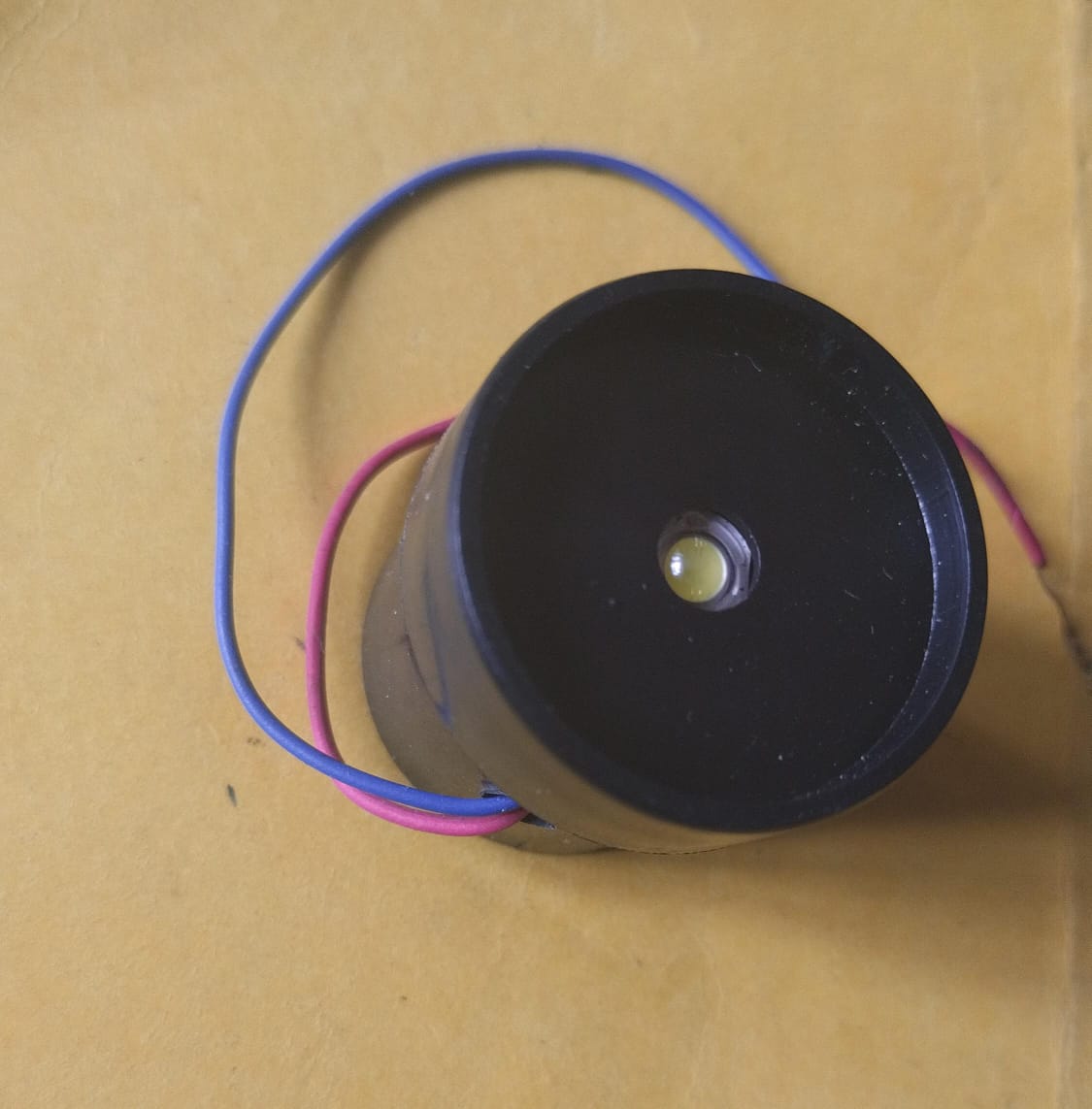

The main features of an LED microscope bulb include high brightness, long lifespan, low heat emission, and low power consumption.
Here is a detailed explanation of these features:
High brightness and uniform illumination: LEDs provide powerful, focused illumination with adjustable intensity (0 to 100%), which is essential for clear and detailed observation of samples under the microscope. LED ring lights, for example, provide virtually shadow-free illumination.
Long lifespan: Unlike traditional bulbs, LEDs have a significantly longer lifespan, reducing replacement frequency and maintenance costs.
Low heat emission: LEDs generate very little heat compared to halogen or incandescent light sources, which is crucial for the protection of heat-sensitive samples and for user comfort.
Low energy consumption: LEDs are highly energy efficient, converting electricity into light more efficiently and reducing energy consumption.
Compact and durable: LEDs are small, allowing for easy integration into increasingly miniaturized microscopes. They are also resistant to vibration and shock, as they contain no fragile filaments or glass.
Constant color temperature: They provide a stable color temperature, which helps reduce eye strain during prolonged observations.







Reviews
There are no reviews yet.