

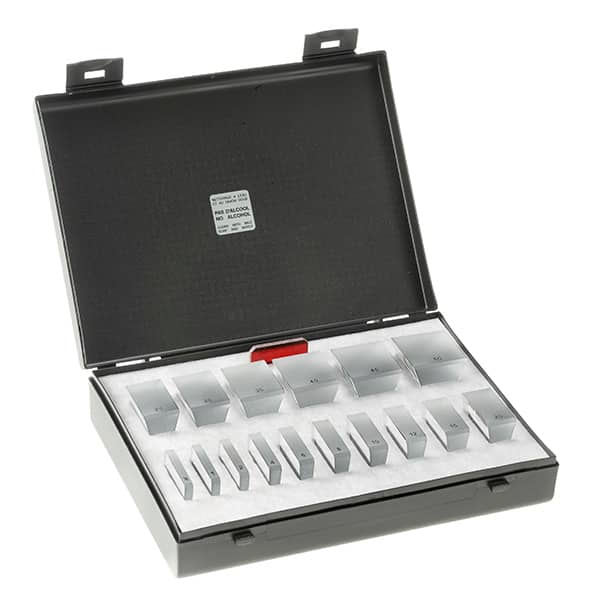

The characteristics of optical prisms, such as those shown in the image, are as follows:
Geometric Shape: A prism is a transparent body bounded by two non-parallel plane faces, called refracting faces, and a base. The prisms in the image are individual prisms, often used in ophthalmology.
Light Deflection: The main characteristic of a prism is its ability to deflect light. When a light ray passes through a prism, it is deflected toward the base of the prism.
Chromatic Dispersion: Due to the variation in the refractive index of the prism material depending on the wavelength of light, a prism can disperse white light into its spectral colors (dispersion phenomenon).
Total Internal Reflection: In certain configurations, prisms can use total internal reflection to deflect light with minimal loss, often more effectively than traditional mirrors.
Use in Ophthalmology: Prisms are commonly used in ophthalmology to correct binocular vision problems such as diplopia (double vision) or symptomatic heterophoria by shifting the image to match the eye’s position.
Prismatic Power: The power of a prism is measured in prism diopters (Δ) and indicates the prism’s ability to deflect light. The higher the diopter value, the greater the deviation.






Reviews
There are no reviews yet.