

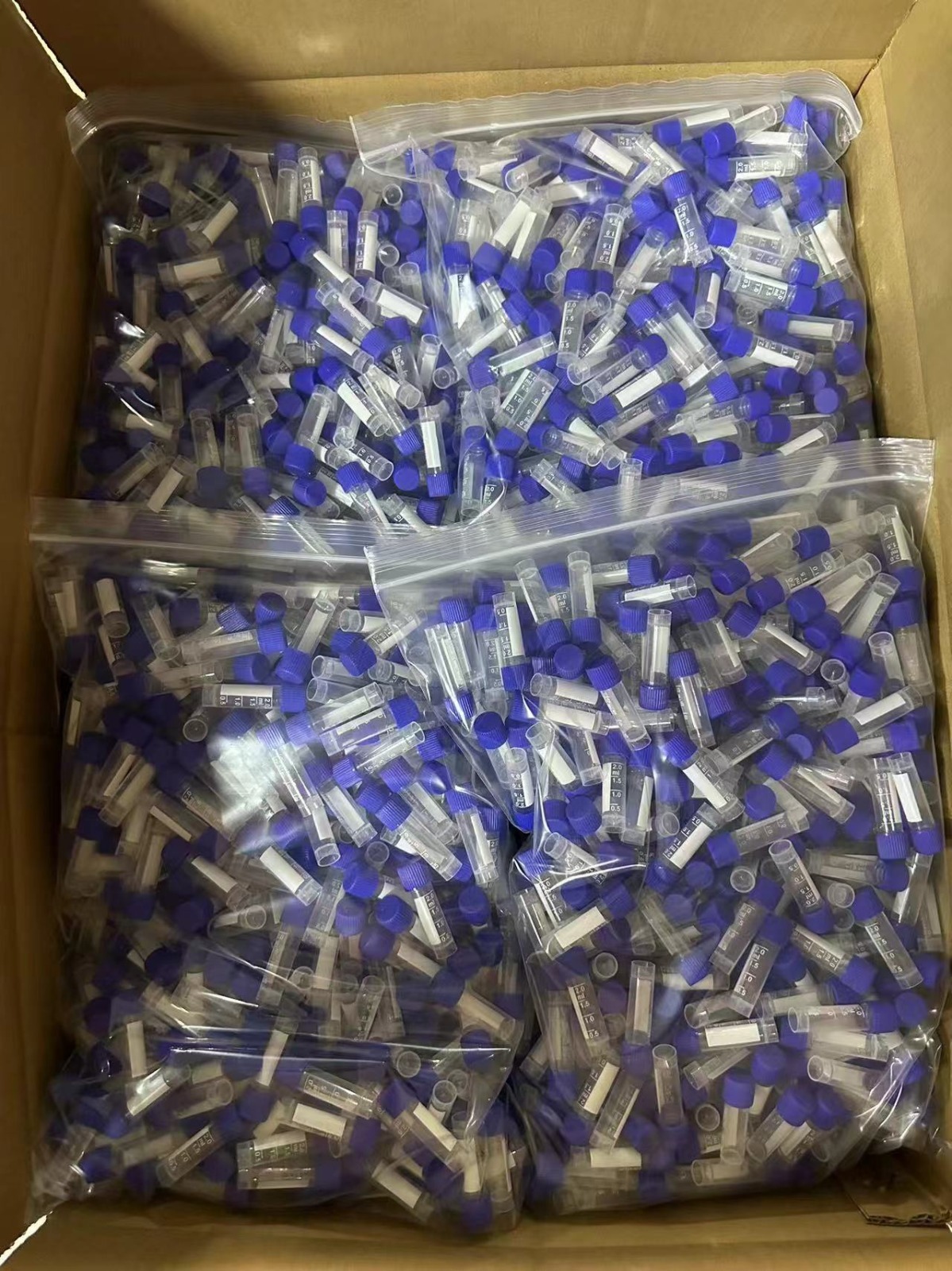
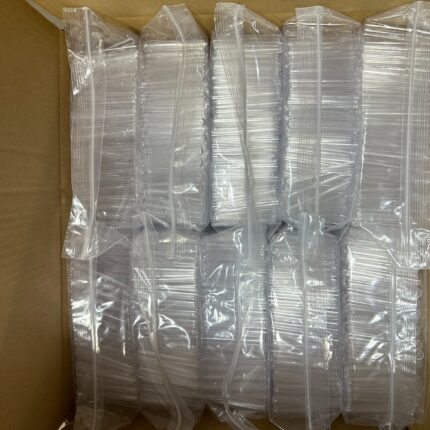
2 ml cryotubes, such as those shown in the image, have several important characteristics for their use in laboratories:
Materials:
They are generally made of high-quality polypropylene, a material resistant to corrosion, extreme temperatures (low and high), and acids and bases.
Capacity and Dimensions:
The typical capacity is 2 ml, with dimensions of approximately 11 x 50 mm (diameter x length).
Leak-Proof:
They are designed with a screw cap and often equipped with a silicone washer to ensure an excellent seal, preventing leaks and sample volatilization, even at very low temperatures (down to -180°C or -200°C).
Freestanding:
These vials have a round or conical bottom that allows them to stand upright, facilitating handling and storage.
Graduations and Writable Area:
They feature clear graduations to facilitate volume measurement and a writable area on the tube for labeling and sample identification.
Resistance:
They are designed to withstand very low temperatures (down to -180°C or -200°C) and can withstand high temperature and high pressure conditions, such as autoclaving.
Sterility and Non-Toxicity:
Many cryogenic vials are sterile, non-pyrogenic, and non-cytotoxic, ensuring the safety of biological samples.



Reviews
There are no reviews yet.