



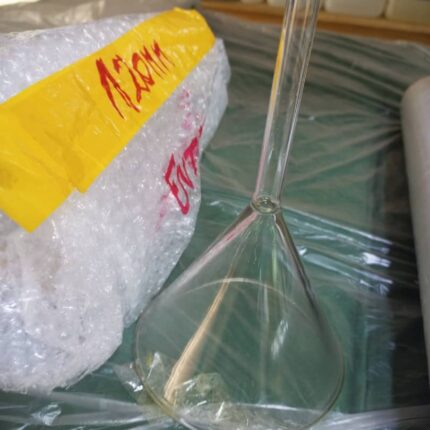
Borosilicate Glass Beakers – Technical Specifications
(High-Performance Laboratory Containers)
1. Material Properties
| Characteristic | Boro 3.3 Glass Specification |
|---|---|
| Composition | 81% SiO₂, 13% B₂O₃, 4% Na₂O/K₂O, 2% Al₂O₃ |
| Thermal Shock Resistance | ΔT ≤ 160°C (rapid cooling) |
| Max Operating Temp | 500°C (continuous), 1450°C (short-term) |
| Chemical Resistance | Resists all acids (except HF) and organic solvents |
| Light Transmittance | >95% (400-700 nm visible spectrum) |
2. Product Line Overview
| Capacity | Height | Diameter | Graduation Interval |
|---|---|---|---|
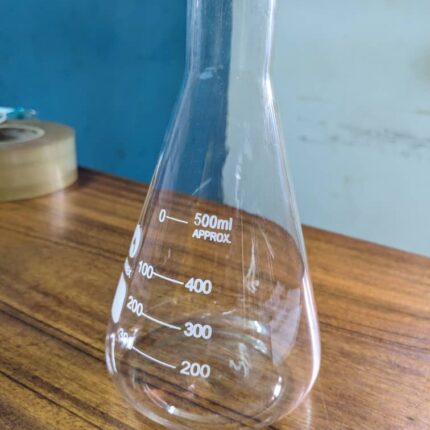
| 100 mL | 90 mm | 50 mm | 10 mL (“APPROX”) |
| 250 mL | 110 mm | 65 mm | 25 mL |
| 500 mL | 130 mm | 80 mm | 50 mL |
| 1000 mL | 160 mm | 100 mm | 100 mL |
Note: All graduations are approximate (±5% tolerance).
3. Key Features
✔ Spout design: Pouring without drips
✔ Wide base: Enhanced stability
✔ Etched markings: Acid-resistant graduations
✔ Autoclavable: Reusable after sterilization
4. Comparative Advantages
| Property | Borosilicate vs. Soda-Lime Glass |
|---|---|
| Thermal Shock | 3× better resistance |
| Chemical Durability | Withstands concentrated acids |
| Cost | 2-3× higher but longer lifespan |
5. Usage Guidelines
-
Heating: Use wire gauze with ceramic center for even heat distribution
-
Cleaning: Avoid abrasive scrubbers to prevent surface scratches
-
Storage: Stack with protective liners to prevent chipping
Safety Note: Discard if cracks/chips appear – compromised glass may fail under thermal stress.
6. Compliance & Standards
-
Meets ASTM E960 (lab glassware)
-
ISO 4797 (thermal shock testing)
-
CE marked for EU markets


Reviews
There are no reviews yet.