


Manual Blood Pressure Monitor
The features of the aneroid sphygmomanometer presented, based on the generic information regarding this type of device, generally include the following:
Type of Blood Pressure Monitor:
Aneroid, meaning it uses a dial gauge rather than mercury to display blood pressure.
Components:
It consists of an inflatable cuff, an inflation bulb with a pressure release valve, and an aneroid manometer for pressure reading.
Accuracy:
Professional aneroid sphygmomanometers are designed to provide reliable and reproducible blood pressure measurement, often within a specified accuracy (e.g., +/- 3 mm/Hg according to certain standards).
Comfort and Materials:
The cuff is usually made of nylon with a Velcro closure for an easy and secure fit. The bulb and valve can be made of PVC or latex, and the manometer can be made of aluminum alloy.
Standards:
These devices are often manufactured in accordance with specific standards for medical devices, such as EN 1060-1/2 and Directive 93/42/EEC.
Accessories:
A carrying case is often included for easy storage and portability.

Lead Screen
The lead screen is a mobile, gray shield with casters for easy mobility. This screen is equipped with a small viewing window located at the top, suggesting its use in environments requiring protection from radiation or other risks, while still allowing visibility.

Reusable neutral scalpel plate
The reusable neutral scalpel plate, also called a patient plate, is used in electrocautery or diathermy.
Main Features:
Type:
Reusable neutral scalpel plate / Patient plate.
Use:
Designed for diathermy or electrocautery, it is used to disperse electrical current throughout the patient’s body during surgical procedures using an electrocautery unit (ESU).
Materials:
Generally made with a conductive surface for effective contact with the patient’s skin.
Connectivity:
Has an extension cable with a connector (e.g., 6.3 mm) to connect to the electrocautery unit.
Shape:
The “melon” shape or the specific shape shown in the image may be designed for better anatomical adaptation and uniform current distribution.
Reusable:
Indicates that it can be sterilized and used multiple times, unlike single-use electrodes.
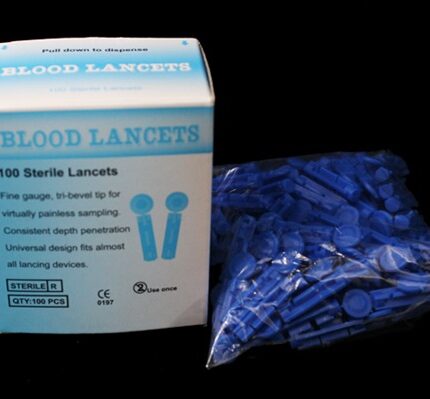
Lancet
The blood lancets have the following features:
Gauge and Tip:
They are fine gauge and feature a tri-bevel tip for virtually painless blood collection.
Sterility:
The lancets are sterile, as indicated by the words “100 Sterile Lancets” and “STERILE R” on the box. They are sterilized by gamma irradiation.
Penetration Depth:
They provide consistent depth penetration.
Compatibility:
Their design is universal (“Universal design fits almost all lancing devices”), making them compatible with most lancing devices.
Materials:
They are made from LDPE (Low Density Polyethylene) and stainless steel needles.
Safety and Use:
They are single-use and designed for safety, with a fully enclosed needle port to prevent accidental injury before and after use.
Certifications:
They bear the CE mark, indicating their compliance with European health, safety, and environmental protection standards.
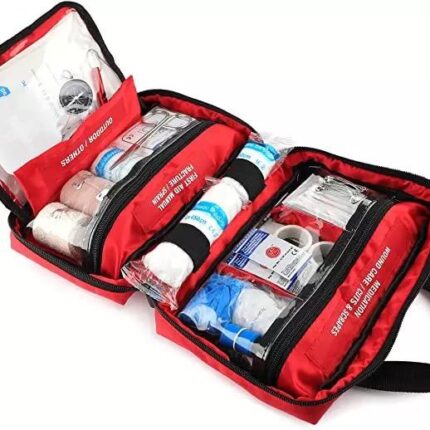
50-Pieces First Aid Kit
The first aid kit shown has the following features:
Compact and Portable Design:
It is designed to be easily portable, with a seemingly compact size (e.g., 14x20cm) and well-organized internal compartments.
Durable Materials:
Made of Oxford fabric, it is sturdy and wear-resistant.
Internal Organization:
The kit opens to reveal several transparent compartments and pockets, allowing for clear organization of supplies (e.g., “WOUND CARE/CUTS & SCRAPES”, “FRACTURE/SPRAIN”, “FIRST AID MANUAL”, “OUTDOOR/OTHERS”).
Secure Closure:
It is equipped with a zipper to keep contents secure.
Versatile Contents:
Although the exact contents are not fully visible, the labels suggest a variety of supplies for wound care, fractures/sprains, and other emergency needs.

Pinard Stethoscope
The aluminum Pinard stethoscope, like the one pictured, is an obstetrical instrument used for fetal auscultation.
Main Features:
Material: Made of aluminum, making it lightweight and easy to clean.
Operation: It is a non-electric acoustic amplifier used to listen to the fetal heartbeat (fetal heart rate) as well as placental murmurs.
Use: The practitioner places the chestpiece on the pregnant woman’s abdomen, near the fetal heart, and places their ear at the other end to listen for sounds.
Specificity: It is particularly useful in settings where ultrasound equipment is not available.
Dimensions: Some aluminum models are approximately 14 cm long and weigh approximately 35 grams.
Maintenance: Easy to clean and disinfect to prevent contamination.
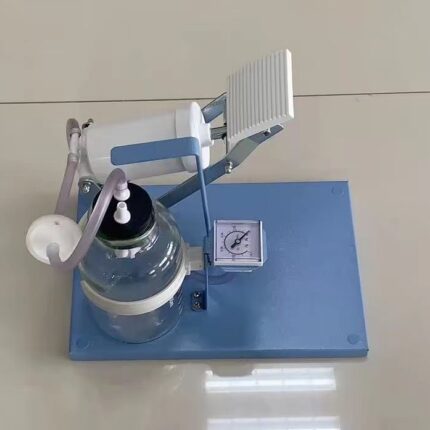
Manual Surgical Aspirator
General features, based on similar models, include:
Compact design
Portable: Ideal for emergencies and outdoor use.
Body fluid suction: Designed to suction fluids such as blood, mucus, and phlegm during surgical procedures or for home care.
Overflow protection: Often incorporates a mechanism to prevent fluid leakage into the machine.
Oil-free pump: Eliminates the risk of oil mist pollution, ensuring a clean environment.
Adjustable negative pressure: Allows suction to be tailored to the specific needs of each patient or procedure.
Low noise: The design may aim to reduce noise during operation.
Sterilisable accessories: Silicone jars and tubing are generally autoclavable for sterilization.
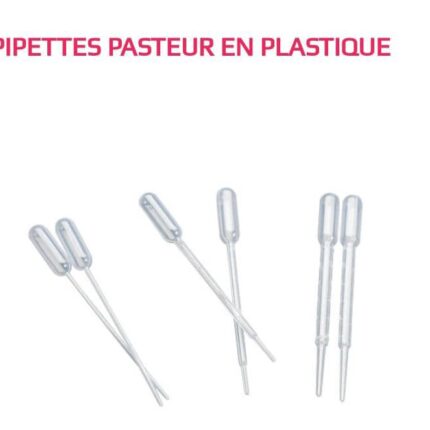
Plastic Pasteur Pipette
The characteristics of plastic Pasteur pipettes are as follows:
Materials:
They are made of transparent plastic, allowing for visual inspection of the liquid inside.
Shape:
They have a cylindrical body with a tapered end for drawing in and dispensing liquids, and a compressible bulb at the other end to create suction and expulsion.
Graduation:
Pasteur pipettes are graduated, allowing for precise dosing of specific volumes of liquid (e.g., 1 ml as mentioned for a similar product).
They are used for transferring and dosing small amounts of liquid in various fields such as chemistry, biology, or even for specific applications such as filling smoke liquids or dosing concentrates.
Sterility:
Depending on the application, they can be sterile or non-sterile (some batches are listed as non-sterile).
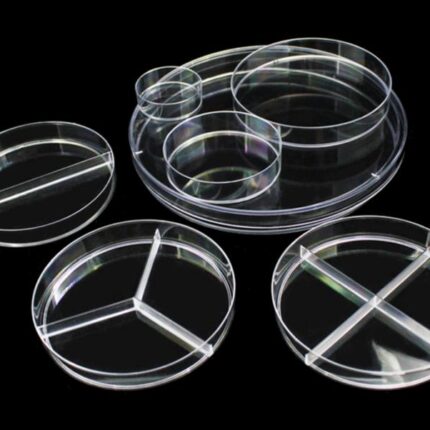
Petri Dishes
Plastic Petri dishes, commonly used in microbiology and cell culture, have several distinct characteristics:
Material:
They are generally made of high-quality polystyrene (PS), providing excellent optical clarity for distortion-free microscopic observation.
Sterility:
Most plastic Petri dishes are sterile and ready to use, which is essential for cell culture and microbiological applications to avoid contamination.
Design:
They are designed to promote uniform cell growth thanks to a flat growth surface. The lids often feature vents to ensure constant gas exchange while protecting the culture environment.
Variety of formats:
Available in different sizes (e.g., 90 mm as mentioned in the search results) and configurations (single or multi-well, round or rectangular, with or without compartments as shown in the image), they adapt to various experimental needs.
Identification:
Numerical indicators can be present on the bottom to facilitate identification of cell locations.

Surgical Light Bulb
Shadowlees Lamp Features:
Bulb Type: Tungsten Halogen Lamp
Voltage: 24V
Wattage: 25W
Cap Size: BA15D
Main Application: Surgical shadowlees lamps, including single-hole, four-hole, five-hole, and nine-hole shadowless.
Brightness: High luminous intensity, luminous flux of 300LM
Lifespan: Designed for reliable use, up to 600 hours of continuous use.
Body Material: Durable glass
Energy Efficiency: 25lm/W light output, providing good energy efficiency.
Light Quality: Provides a soft, warm white light with a color temperature of 2700K, providing comfortable lighting.
User-friendly design: Compatible with dimmers and meets CE certification standards for safety and quality.
Redon Drain
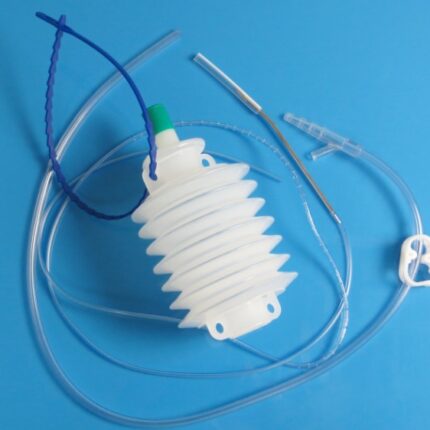
A suction wound drainage system, such as a Redon drain. Its main features are:
Suction Reservoir:
The central element is a bellows-shaped reservoir (or bulb) that creates continuous suction to remove wound fluid.
Continuous Drainage:
The system ensures constant drainage of exudate and blood to prevent fluid accumulation and promote healing.
Sterility:
These systems are generally supplied sterile to minimize the risk of wound infection.
Materials:
Reservoirs can be made of PVC or silicone, and drains are often made of silicone for their biocompatibility and flexibility, minimizing tissue reactions.
Components:
The kit includes a reservoir, a drainage tube (sometimes with a trocar for insertion), and connectors.
Use:
It is used for postoperative drainage of surgical wounds to remove excess fluids and maintain an environment conducive to healing.
Impedance Meter
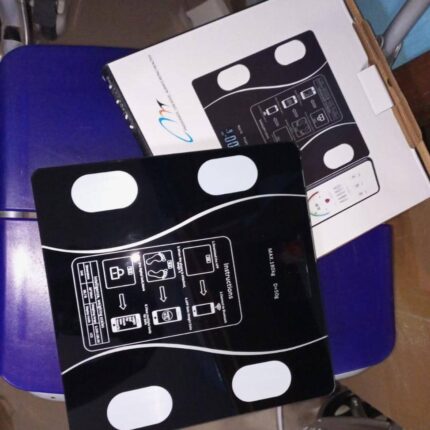
Characteristics of an Impedance Meter Scale
An impedance meter scale is a scale that, in addition to measuring weight, estimates body composition using impedance measurement.
How it works and measurements:
Impedance measurement: The scale is equipped with electrodes that send a very low-intensity electrical current through the body. This current encounters a different resistance (impedance) depending on the tissue (muscle, fat, water).
Body composition estimation: Using the measured impedance and personal data (age, height, gender), the scale calculates the percentage of body fat, muscle mass, body water, and sometimes bone mass or visceral fat.
Key indicators: It provides information such as weight, BMI (Body Mass Index), body fat percentage, body water percentage, and muscle mass.
Common Technical Specifications:
Materials: Tempered glass, stainless steel (for the electrodes), and ABS (for the base).
Capacity and Accuracy: Typically a maximum capacity of up to 180 kg and a measurement accuracy of approximately 0.1 kg or 50 g.
Connectivity: Equipped with Bluetooth connectivity for data synchronization with a dedicated mobile app (available on iOS and Android).
Display: Clear LED or LCD display, backlit for easy readability.
Additional Features: Automatic shutoff, data storage for multiple users, progress tracking via the app.
Use:
Body Composition Monitoring: Allows you to track changes in fat and muscle mass as part of a diet or exercise program.
Personal Information: Requires data entry such as gender, age, and height for accurate calculations.