

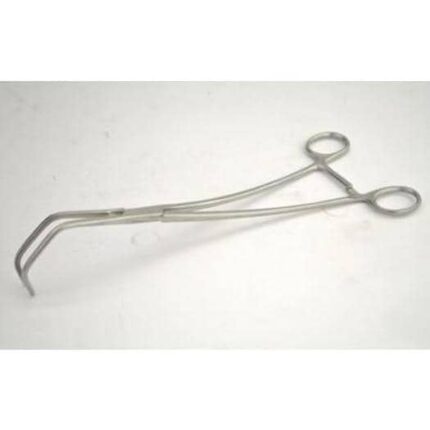
Aesculap DeBakey Vascular Forceps
DeBakey vascular forceps, particularly those manufactured by Aesculap, are specialized surgical instruments recognized for their atraumatic characteristics and precision, essential in vascular surgery.
Key features of DeBakey Vascular Forceps (Aesculap):
Atraumatic Jaws: They feature delicately serrated jaws (in 1×2 rows) designed to minimize tissue trauma when clamping blood vessels, thus protecting the integrity of vascular walls.
Ergonomic Design: The instrument is designed for a comfortable grip and superior surgeon control, with ring-shaped finger grips and a streamlined construction for lightweight performance.
Precise Access: The specific curvature of the jaws and/or angled design allow deep and precise access to vessels in restricted or difficult-to-reach surgical areas.
High-quality materials: Generally made of high-quality stainless steel, they guarantee corrosion resistance, durability, and compatibility with sterilization processes.
Ratchet mechanism: A resilient ratchet mechanism is integrated to control the occlusion pressure exerted on the vessel, ensuring secure clamping without excessive compression.

Meniscus, Knee, and Foot Instrument Case with Basket
A surgical instrument case with a basket, specifically designed for orthopedic procedures involving the meniscus, knee, and foot.
Features of the Meniscus, Knee, and Foot Instrument Case with Basket:
Specialized Contents: It contains an assortment of surgical instruments suitable for procedures on the meniscus (such as meniscus scalpels), knee (retractors, clamps), and foot (clamps, elevators).
Sterilization Basket: The case features a perforated basket, which allows for easy cleaning, disinfection, and sterilization by steam or other appropriate methods.
Materials: Typically made of surgical-grade stainless steel for durability and corrosion resistance, essential for repeated sterilization.
Organization and Safety: The basket and internal compartments help organize instruments and keep them in place, preventing damage during transport and sterilization.
Suitable Dimensions: The box is designed to accommodate a complete set of instruments.
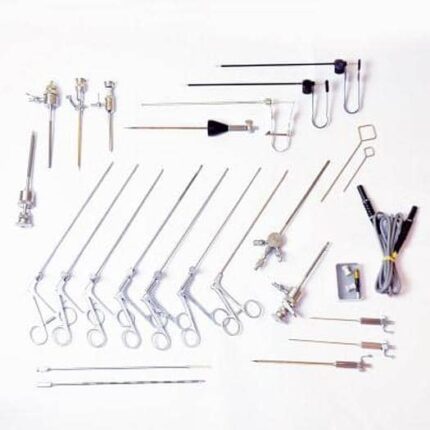
24-piece pediatric laparoscopic set compatible with Karl Storz
The features of a 24-piece pediatric laparoscopic set compatible with Karl Storz include the following elements and properties:
Set Composition:
Laparoscopic forceps: Equipped with revolver handles and external ratchets, they can be disassembled for easy cleaning and sterilization.
Monopolar Grasping Forceps: Specific instruments, such as the Karl Storz 26180 N Monopolar Grasping Forceps, with dimensions adapted to pediatrics (e.g., diameter 3.5 mm, length 20 cm).
Laparoscope: A laparoscope with a specific viewing angle (0°) for internal observation.
Cold light cable: Essential for illuminating the surgical field via the laparoscope.
Other Instruments: The set includes various other forceps and instruments required for pediatric laparoscopic procedures.
Compatibility: The set is designed to be compatible with standard Karl Storz camera systems and equipment, ensuring seamless integration into operating rooms equipped with this brand.
Materials and Sterilization: The instruments are generally made of high-quality stainless steel and are designed to withstand high temperatures (134°C/273°F) for sterilization.
Optics (for Endoscopes): The endoscopes included in the set can use high-quality fiber optics and light cones for clear visualization.

Skull Surgery Box
The characteristics of a skull surgery box are primarily related to its specific instrument content and dimensions, designed for neurosurgical procedures.
Specific Contents: A skull surgery box contains instruments suitable for procedures on the skull and brain. This includes olivary pens, Frazier cannulas of various sizes (2 mm, 3 mm), scalpel handles, various forceps (Kocher, Pean Murphy, dissecting), needle holders, and cotton swabs.
Material and Sterilization: The boxes and instruments are generally made of medical-grade stainless steel, ensuring durability, corrosion resistance, and ease of sterilization.
Dimensions: The box’s dimensions are designed to hold all the necessary instruments.
Design for Organization and Access: The instruments are ergonomically arranged for quick access and proper organization.
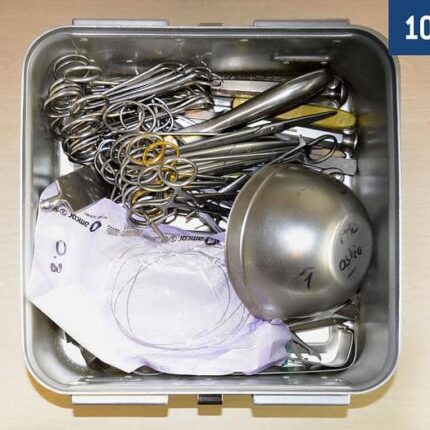
Small Osteosynthesis Box
A small osteosynthesis box is a stainless steel case designed to contain and organize surgical instruments specific to osteosynthesis, a technique used to fix bone fragments after a fracture.
Main Features:
Material: Generally made of stainless steel (inox), ensuring compatibility with sterilization procedures and good corrosion resistance.
Contents: It contains various instruments needed to place screws, plates, pins, or nails to stabilize fractures. Instruments can include drill bits, drill guides, screwdrivers, forceps, needle holders, etc.
Functionality: It allows for the organized storage of instruments, facilitating procedure preparation and sterilization.
Sterilization: Stainless steel boxes are designed to be sterilized by autoclave, chemiclave, or dry heat, ensuring the asepsis of the instruments.

Tongue Depressor
The characteristics of a stainless steel tongue depressor, like the one shown, include its material, shape, and primary use:
Material: It is made of stainless steel, making it durable, reusable, and easy to disinfect and sterilize, unlike disposable wooden tongue depressors.
Shape and Dimensions: The stainless steel Mayo tongue depressor, a common model, is 17 cm long and can feature a double curve to facilitate examination of the mouth and throat.
Use: It is primarily used in general medicine and otolaryngology (ENT) to depress the patient’s tongue, allowing for a clear visual examination of the oral cavity, pharynx, and tonsils.
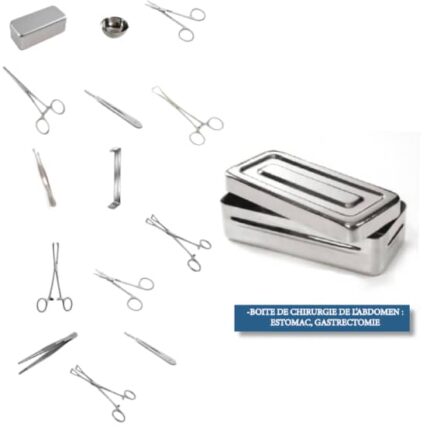
Abdominal Surgery Set
The abdominal surgery set, specifically for stomach and gastrectomy surgery, has several key features:
Contents and Instruments: This set, often referred to as a “Complete Minor Stainless Steel Surgery Set with Instruments,” contains a set of essential instruments for surgical procedures. It typically includes scissors (e.g., dressing scissors, Mayo scissors), forceps (Péan forceps, dissecting forceps with or without teeth, Kocher hemostats, splinter forceps), a scalpel handle (complete with disposable blades), a needle holder, and a cotton swab stylet.
Material: The set and instruments are made of stainless steel (inox), a material known for its durability and compatibility with sterilization processes.
Use: It is designed for minor surgery, including simple procedures such as abscess incision, suturing, or ablation of benign tumors, and is essential in medical or nursing offices for minor emergencies.
Sterilization: Stainless steel allows for effective sterilization, particularly by autoclave (moist heat), ensuring the hygiene and safety of instruments.
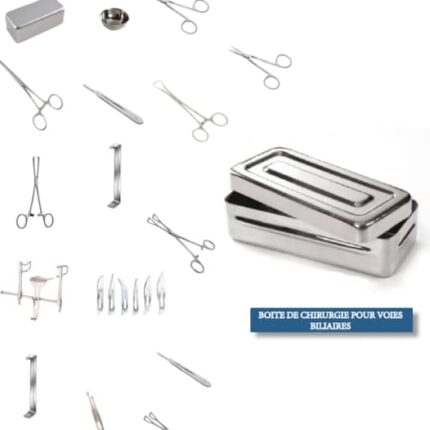
Biliary Tract Surgery Box
Features of the Biliary Tract Surgery Box
A biliary tract surgery box, like the one pictured, is designed to hold the instruments needed for liver and biliary tract procedures. Its main features include:
Sturdy and Hygienic Material: Generally made of surgical-grade stainless steel, it is durable, corrosion-resistant, and easy to clean and sterilize, ensuring optimal hygiene conditions.
Specific Contents: It contains a set of surgical instruments suitable for biliary procedures, such as forceps (e.g., Desjardins biliary forceps, Péan forceps, Kocher forceps), scissors, scalpel handles, fluted probes, retractors, and needle holders.
Sterilization Design: The box itself is designed to be sterilized, either by autoclave or hot air sterilizer, to keep instruments sterile until use.
Suitable Dimensions: The box’s dimensions are convenient for storing and transporting instruments, while allowing for efficient organization of contents.
Instrument Safety and Protection: It ensures delicate instruments are protected from damage before, during, and after sterilization, as well as during transport.
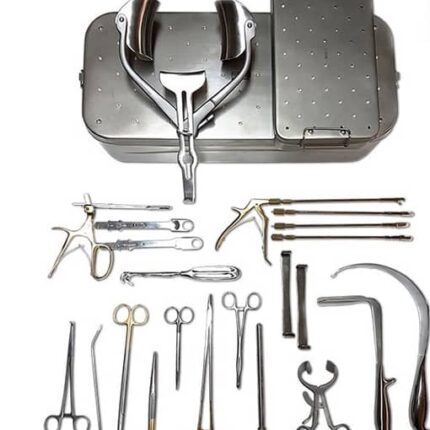
Autopsy Box
Autopsy boxes generally include a set of specific surgical instruments designed for postmortem examination procedures.
Key Features:
Material: The box and instruments are usually made of stainless steel to ensure sterility, durability, and corrosion resistance.
Varied Contents: The box contains a range of instruments for different stages of the autopsy, such as knives, scissors, forceps, retractors, and specific instruments like the rachitome or Collin mallet.
Specialized Instruments: These include cartilage and autopsy knives of various sizes, enterotomy scissors, cutting and dissecting forceps, olive stylets, and sometimes saws or chisels for bone examination.
Suitable Dimensions: The size of the box is designed to hold all the instruments in an organized manner.
Hygiene and ease of maintenance: The materials and design are designed to facilitate cleaning and disinfection to maintain a sterile environment.
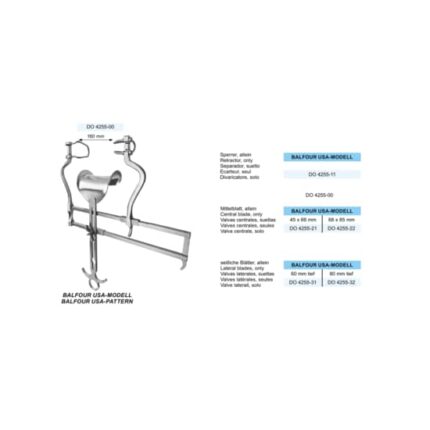
Balfour Retractor
The Balfour Abdominal Retractor is a self-retaining surgical instrument used to hold abdominal incisions open and improve visibility during surgical procedures.
Type: Abdominal retractor, specifically a Balfour retractor.
Use: Holds abdominal incisions open during surgery for better exposure of the surgical field.
Material: Made of high-quality German stainless steel.
Features: Includes adjustable sidewalls and, in some cases, a removable or fixed central blade to accommodate different surgical needs.

Dockhorn Retractor
The Dockhorn retractor and its main features are as follows:
Type and Function: This is a manual retractor used in surgery to hold tissue and improve visibility of the surgical field.
Blade Design: The blade is L-shaped and has a concave upper surface, designed to maximize vision of the surgical field.
Handle and Ergonomics: The handle is ergonomic, often with a ring for optimal grip, and is designed to reduce hand fatigue during prolonged procedures.
Material and Durability: Made of surgical-grade stainless steel, it is reusable and guarantees a long service life, even after frequent use.
Available Sizes: It is available in various sizes (40 x 12 mm and 55 x 14 mm) to accommodate various mouth sizes or surgical areas.
Versatility of Use: Particularly chosen for its precision and control during oral surgery, it is also versatile for various dental and oral procedures, including complex extractions.

Root Elevator
Surgical root elevators, with the following main characteristics:
SÖRENSEN-HEIN
Type: Root elevator or surgical instrument with a curved tip and an ergonomic handle.
Length: 7 – 17.5 cm.
Product code: DO 4318-20/17.
Use: Generally used in dental surgery for the extraction of retained teeth or roots, acting as levers to loosen the surrounding tissue.
DINGMAN
Type: Root elevator or surgical instrument with a curved tip and a more robust handle.
Length: 8⅛ – 21 cm.
Product code: DO 4318-25/21.
Use: Similar to the Sörensen-Hein, it is also designed to facilitate tooth extraction by providing leverage and loosening tissue.
These instruments are made of high-quality stainless steel to ensure durability and efficiency.