Orthopedic Splints

The object in the image is an orthopedic splint, likely for the wrist and/or hand, and its main characteristics are:

Immobilization and Support: It is designed to maintain and immobilize a portion of the upper limb (wrist, hand, fingers) in a neutral or therapeutic position, aiding in healing or pain relief.

Material and Comfort: Made of a soft and potentially thermoformable material to adapt to the user’s morphology, it may include padded elements for comfort, such as fabric linings (e.g., jersey).

Closure System: It uses hook-and-loop straps (Velcro) for easy closure, a secure fit, and complete support of the limb.

Adaptability: Some splints of this type can be thermoformed for a precise fit and can be cut to fit the user’s specific morphology.

Function: It is used for various conditions such as sprains, fractures, tendonitis, or osteoarthritis (such as rhizarthrosis of the thumb), providing support and compression.

Back Posture Corrector

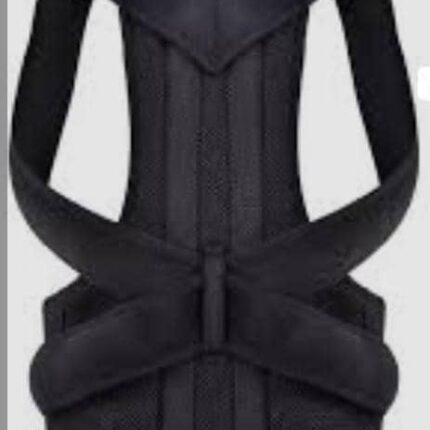
The back posture corrector, as shown, has several key features aimed at improving posture and relieving back pain:

Ergonomic Design: It is designed to conform to the body’s shape and provide targeted support to the back and shoulders.

Breathable and Comfortable Materials: Made from comfortable and breathable fabrics, it ensures comfortable wear even for long periods.

Adjustable Straps: The straps are adjustable to accommodate different body shapes and allow for a personalized fit, ensuring optimal support.

Discreet: Its design allows it to be worn discreetly under clothing, making it suitable for everyday use.

Posture Support: It helps straighten the shoulders and back, promoting correct posture and helping to relieve pain related to poor posture.

Ease of Use: It is generally easy to put on and adjust yourself.

Hinged Knee Brace

The image shows a Fit Geno Hinged Knee Brace, designed for knee support and pain relief.

Support and Pain Relief: This knee brace is recommended for knee support and pain relief, including meniscus tears, sprains, mild osteoarthritis, and other ligament problems (PCL/MCL/LCL).

Design and Materials: It features lateral stabilizers and removable hinges for increased stability. Made with medical-grade materials, including a patellar gel pad, it is also latex-free.

Comfort and Fit: The design features an open patella and open back to reduce pressure and prevent sweat buildup. Non-slip silicone strips and adjustable straps ensure a secure fit during activity.

Recommendations: It is recommended by sports medicine specialists and is designed to maintain joint stability while allowing mobility.

Lumbar Support Belt

The Motech Lumber Support Belt features:

Support and Immobilization: Designed to support and immobilize the lumbosacral region, correcting postural deformity to relieve lower back pain.

Firm Compression: Provides firm compression and effective support to the lumbar region.

Pressure Relief: Relieves pressure on the lumbar capsule.

Protection: Prevents sprains and strains of the lumbar joints and surrounding muscles during exercise, and mitigates external shock.

Ergonomic Design: Features a wide back support system that conforms to the lordotic curve of the lumbar spine for maximum support.

Materials: Made from durable and breathable neoprene for comfort.

Adjustability: Adjustable in multiple locations for a personalized fit and optimal compression.

Support Braces: Includes rigid, malleable, and contoured back braces that can be customized for correct posture and effective immobilization. Some versions include two pre-contoured rigid braces and two flexible braces to support weak back muscles.

Lumbar belt

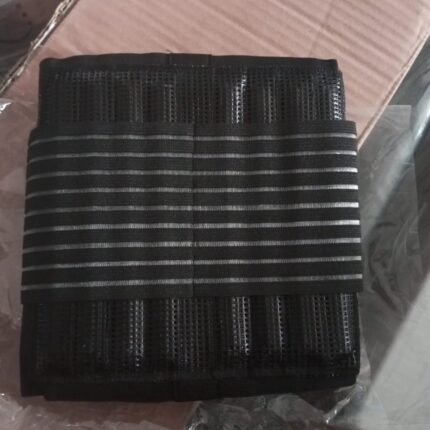
The lumbar belt in the image is a lumbar support belt or corset, and its main characteristics are as follows:

Material: It is made from a black mesh fabric, likely providing breathability and flexibility.

Construction: The belt features horizontal and parallel elastic bands, silver or gray in color, running across the central portion, suggesting targeted reinforcement and support.

Design: Its rectangular shape and construction indicate that it is designed to wrap around a part of the body, likely the torso or lumbar region.

Implied function: The presence of elastic bands and mesh suggests that it is intended to provide support, compression, or restraint, potentially for physical activities or to relieve back pain.

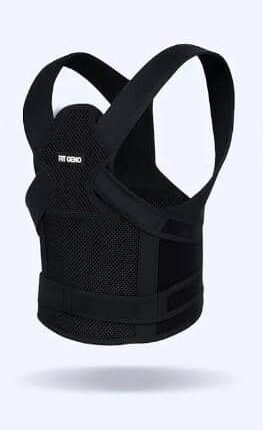
Fit Geno back brace posture corrector

  • Fit Geno Back Brace Posture Corrector for Women and Men
  • Shoulder Straightener
  • Adjustable Full Back Support
  • Upper and Lower Back Pain Relief – Scoliosis
  • Hunchback, Hump, Thoracic, Spine Corrector

Semvine Knee Brace

Slow shock and decompression, disperse knee pressure, improve blood circulation, protect knee from injury.

A knee brace can alleviate pain associated with arthritis, osteoarthritis, and other associated issues. These conditions become more common as we age. A knee brace unloads stress from the affected area and refers the pressure to the thigh, creating better mobility in the knee joint while reducing stiffness.

When are knee braces helpful?Will wearing a knee brace help prevent injury? Knee braces have become a common treatment option for millions of Americans, young and old, who suffer from knee pain. They are inexpensive, easy to find and comfortable to wear. But when are these contraptions really helpful?

Michael Behr, M.D., an orthopedic surgeon at Piedmont, says there are two main reasons to wear a knee brace:

Structural support

Pain relief

Knee braces for structural supportKnee braces are commonly prescribed by physicians for patients who have an ACL tear or some type of knee injury. The knee brace can provide added support during the recovery process.

Three types of knee braces that provide structural support include:

Functional braces. Studies have shown these types of braces provide some protection and additional stability to the knee after it has been injured.

Rehabilitative braces. These limit side-to-side and up-and-down movement of the knee while it is healing after an injury or surgery.

Prophylactic braces. These are designed to prevent injury to the knees during contact sports.

The decision to wear a structural support for the knee should be based on several factors, including:

Which ligaments are injured

What rehabilitation you have done or plan to do

The sport in which you are participating

It is always wise to consult your physician on which knee brace is right for you.

“A knee brace can help athletes through an injury by providing additional support that will allow him or her to continue with physical activity,” Dr. Behr says. “Today, many football players wear knee braces to prevent injury. Football players put an extra amount of pressure on their knees because of the sharp turns and lateral movement in this sport. All this movement can move your bones and ligaments in unnatural ways. Knee braces have proven to be a wise preventative measure in this particular sport.”

Knee braces for pain reliefOthers may find comfort and peace of mind in wearing a knee brace, especially those who suffer from osteoarthritis or chronic pain from a previous injury.

“There is no medical research that says a knee brace is a cure for knee problems, but if it helps the symptoms and provides peace of mind, it is okay,” he says.

A common knee brace for arthritic pain relief is an unloader brace. These are designed to “unload” stress that is caused by arthritis in the inner knee.

This type of brace is custom-designed and made of molded plastic, foam and steel struts to limit side movement. It is designed to put three points of pressure on the thigh bone, which forces the knee to bend away from the painful area

Ankle support

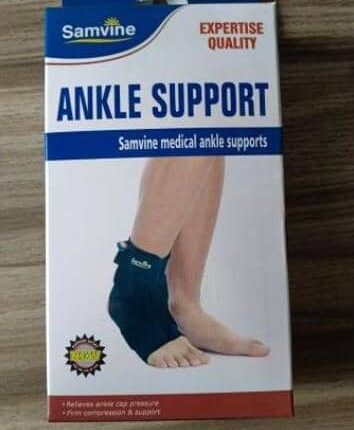
Ankle Support/ Brace works perfectly for women and men. It is carefully designed to protect and heal ankle sprain. It possesses Quick sweat-absorbent feature that gives thermal compression for long hours of continuous use!Perfect for running, aerobics, football, weightlifting, hiking, and can also be worn during your daily activities. Seamlessly made with Soft-wavy Silicon with added friction aims to perfectly hold in the ankle in place coupled with an Open Heel DesigN

Shoulder Brace

Here are the main features of a shoulder brace like the one shown in the image:

Materials and Comfort:
Generally made of breathable, lightweight, and skin-friendly neoprene, ensuring comfort and preventing sweating.
May include Lycra, PU, ​​and nylon for increased durability and flexibility.

Adjustability and Ergonomics:
Adjustable design with hook-and-loop closures (Velcro) for a personalized fit and pressure tailored to the shoulder.
Suitable for both the right and left shoulder, and designed for both men and women.
Available in various sizes (S/M, L/XL, or based on chest circumference) to accommodate various body shapes.

Support and Recovery Features:
Provides effective support to stabilize the shoulder joint and protect against further injury.
Helps relieve pain and inflammation in cases of injuries (tendinitis, dislocation, rotator cuff tear) or conditions such as frozen shoulder.
Promotes blood circulation and speeds up the recovery process after injury or surgery.
Can improve overall posture and protect the joint when returning to physical activity.

Use:
Easy to put on and take off thanks to the adjustable straps and Velcro fasteners.
Ideal for sports activities (weightlifting, badminton, etc.) and injury prevention.

Care:
Generally hand washable in cold water with mild soap.
It is recommended not to bleach, tumble dry, or iron.

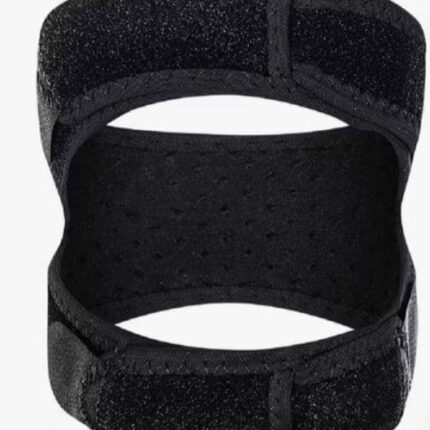
Support Strap

The main features of this patellar support strap, shown in the image, are:

Material: Typically made of high-quality neoprene, providing comfort, durability, and breathability.

Design:
Wrap-around style, easy to put on and take off.
Adjustable straps (often with Velcro closure) for a custom fit and targeted compression above and below the kneecap.
May include silicone compression tubes or pressure points for added support and pain relief.

Function:
Provides support to the patellar tendon and helps stabilize the kneecap.
Relieves pain associated with conditions such as patellar tendonitis (jumper’s knee), patellofemoral pain syndrome (runner’s knee), arthritis, and sports injuries.
Improves knee joint stability and can aid in recovery from injury.

Comfort:
Breathable and soft materials for extended wear without irritation.
Lightweight and flexible design allows for freedom of movement.

Versatility:
Suitable for both men and women, and can be worn on the left or right knee.
Ideal for various sports activities (running, basketball, fitness) and for everyday pain relief.

Finger Splints

The featured finger splint, commonly used for conditions such as trigger finger or fractures, has several key features:

Built-in support: It often features aluminum foil or a built-in rigid support to immobilize and support the affected finger, preventing flexion and promoting healing.

Breathable and comfortable material: Made from materials such as neoprene, stretch nylon, and cotton, it ensures all-day comfort and wicks away moisture.

Adjustable fit: Velcro straps allow the splint to be adjusted to fit different finger and palm sizes, providing a secure fit and a customized fit.

Pain relief: By limiting finger movement, it helps reduce inflammation and relieve pain associated with various injuries such as sprains, fractures, arthritis, or tendonitis.

Versatile use: It can be worn day or night, while working or sleeping, and is designed for various finger injuries, including broken or sprained fingers.

Wrist Braces

Elastic wrist braces, such as the Actesso Elastic Wrist Brace, offer several features and benefits.

Pain Relief and Support: They are designed to relieve pain associated with conditions such as tendonitis, sprains, strains, carpal tunnel syndrome, repetitive strain injury (RSI), and arthritis.

Material: Typically made from cotton and spandex, they provide moderate compression and light support, while remaining breathable.

Comfort and Ease of Use: Their elastic, flexible design ensures a comfortable fit and allows for freedom of movement.

Injury Prevention: They help reduce the risk of wrist injuries, particularly during sports or repetitive use of the wrist.

Specific Indications: Ideal for post-surgical or post-fracture recovery, as well as joint pain and ligament instability.
Fit: Available in various sizes and sometimes with adjustable straps for targeted support.