

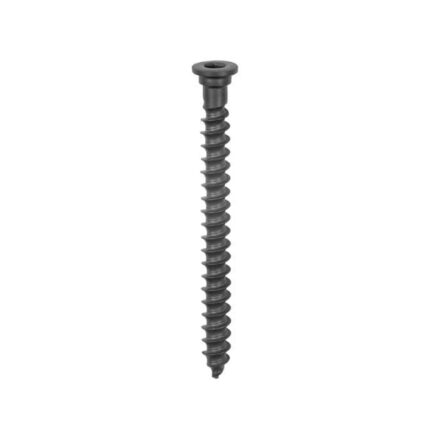
4.0mm Low Profile Cancellous Screw
- 4.0mm Profile Cancellous Screw is a specialized arthroscopic implant used in knee arthroscopic surgeries to secure soft tissues, such as ligaments or tendons, to the bone.
- Designed with a small head and height, it reduces the risk of post-operative irritation and inflammation.
- The diameter of the screw is 4.0mm.
- The screw is used with a washer for enhanced fixation and is available in different lengths to fit into individual anatomical variations
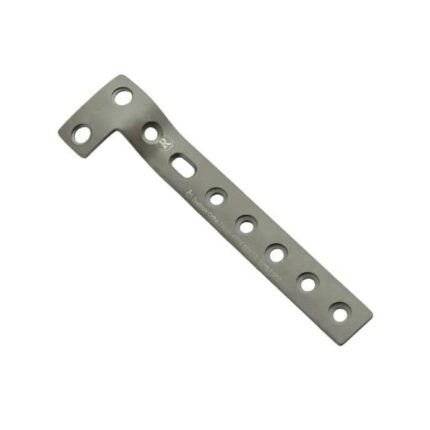
4.5mm DCP L-Buttress Plate
- The 4.5 mm DCP L-Buttress Plate is a specific type of trauma implant that is used to treat fractures near the ends of long bones, especially around the knee and ankle.
- This L-shaped buttress angled design acts like a supportive ledge, providing additional stability and preventing fractured bone fragments. Standard 4.5 mm cortical screws are used for strong fixation
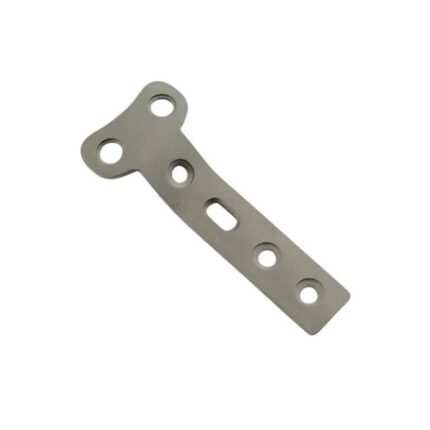
4.5mm DCP T-Buttress Plate
- The 4.5 mm DCP T-Buttress Plate is a specific type of plate that is used to treat fractures around the ends (metaphyseal regions) of long bones.
- It comprises biocompatible materials and features a unique double-bend design.
- This bend acts like a supporting structure, providing extra stability and support against forces that might tend to separate the fractured bone fragments during healing
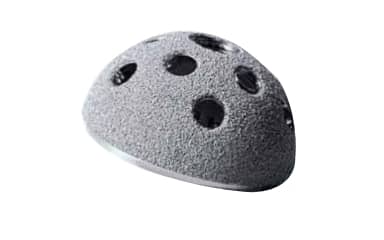
Acetabular prosthesis
The cementless acetabular prosthesis has several main characteristics:
Shape and Material: It is generally hemispherical in shape, with an outer shell (metal-back) often made of titanium alloy or high-nitrogen stainless steel, such as M30NW (ISO5832-9).
Bone fixation: The outer surface is designed to promote osseointegration, often with a porous coating (e.g., titanium plasma or HA/TPS) or specific texturing, ensuring long-term fixation.
Anchorage holes: It can have cluster holes or a specific number of holes (e.g., 1/3 holes) for the insertion of acetabular screws, improving initial stability.
Inner surface: The inner surface is polished to minimize wear of the joint between the insert and the cup.
Compatibility: It is designed to be combined with different types of inserts (e.g., polyethylene or ceramic) and femoral heads, allowing for great surgical flexibility.
Rotation and Positioning: Some models allow the component to rotate, facilitating optimal positioning in the recipient bone.
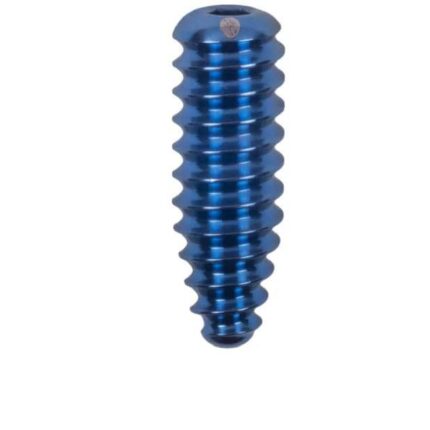
ACL interference screw, cannulated
- The ACL Interference Screw, Cannulated, is an arthroscopic implant, primarily used in Anterior Cruciate Ligament (ACL) reconstruction surgeries.
- The screw’s design is to secure the grafted ligament to the bone.
- The term “Cannulated” here refers to the hollow center, creating a smoother passageway for accurate implant placement.
- The implant provides initial stability to the graft while it heals the bone.
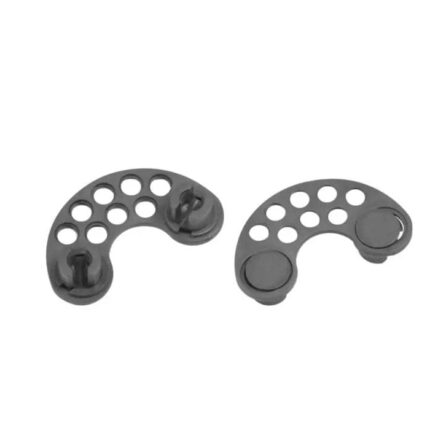
Adjustable Occipital Plate
An adjustable occipital plate is a specific type of spinal implant, effective during occipito-cervical fusion surgery. Preferred by surgeons over standard plates, its adjustable mechanism allows for optimized positioning to fit the patient’s anatomy. Additionally, this adjustable feature improves the stability and alignment of the upper cervical spine, minimizing disruption to the surrounding tissues during surgery.
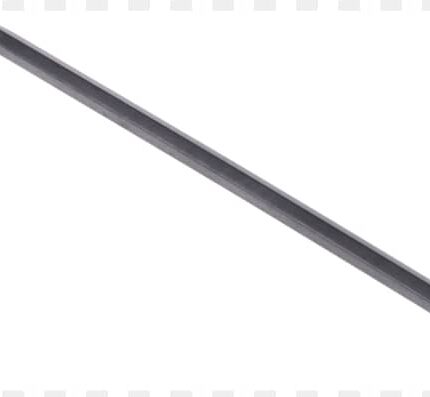
Allen Key
Chamfered Ends: The ends are beveled to allow for smooth, easy insertion into the fastener’s socket, reducing wear and preventing damage.
Standard: Often made to DIN 911 standards, which is a recognized European standard for hexagonal wrenches.
Surface Finish: Can have a black oxide or plain, uncoated finish. A black oxide finish offers some corrosion resistance, while a plain finish will rust over time.

Aluminium foot ring
High Compression Resistance: Aluminium exhibits excellent resistance to compression forces, with studies showing it can withstand up to 24,000 kg/cm².
Good Dimensional Stability: It does not deform under shock, heat, or pressure, ensuring the integrity of its surfaces during sterilization and use.
Poor Flexion and Traction Resistance: Aluminium’s resistance to bending (flexion) and pulling (traction) is significantly lower than most other metals, including stainless steel.
Breakable by Shock: Similar to hardened steel, it is breakable under strong, direct impacts.
Hard but Difficult to Work: Its hardness (grade 9 on the Mohs scale) requires special diamond tools for trimming and cutting, as no other metal can cut it.
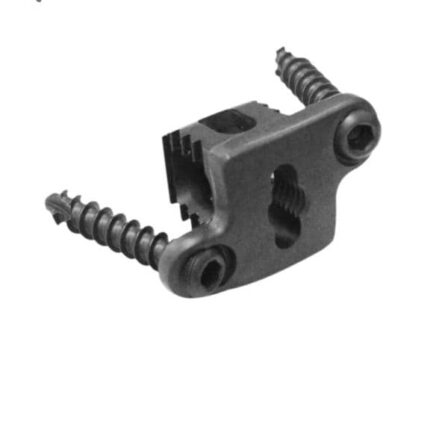
Anterior Cervical Cage Peek
- An Anterior Cervical Cage Titanium is a spinal implant used in spinal surgeries involving the cervical spine.
- The small, hollow design of the cage allows it to be placed between the vertebrae between the vertebrae in the cervical spine.
- The lordotic curve of the implant mimics the natural curvature of the spine.
- Especially used in Anterior Cervical Discectomy and Fusion Surgery (ACDF), this cage supports the space between the vertebrae after the removal of a damaged disc, promoting bone growth and spinal alignment for better stability.
- Made out of PEEK material, these cages prove to be lighter, potentially reducing post-operative stress on the spine
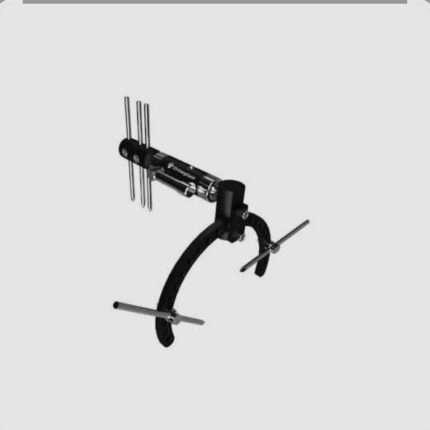
Aysam Hybrid Femur-Tibia External Fixator
The Aysam Hybrid Femur-Tibia External Fixator has the following main features and uses:
Fracture stabilization: It is designed for temporary fixation of various femur and tibia conditions, including fractures, nonunions, calluses, and osteotomies.
Specific Applications:
- Particularly useful for open fractures of the proximal femur.
- Used for proximal femur fractures (intertrochanteric, pertrochanteric) in elderly patients to allow early mobilization.
- Used for distraction and compression at the fracture site, promoting progressive bone lengthening or correction of deformities.
Soft Tissue Management: External fixators, such as this one, can help correct soft tissue injuries or defects by stabilizing and aligning the tissues around the injured bone.
Joint Stability: It can be used to stabilize joints, particularly in cases of severe ligament or tendon injuries.
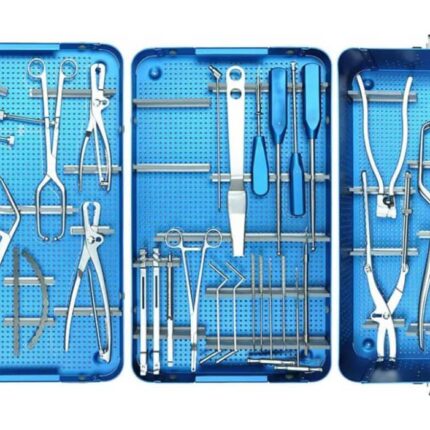
Basic Orthopedic Instrument Set for Pelvic Reconstruction and Trauma Treatment
The basic orthopedic instrument set for pelvic reconstruction and trauma treatment.
Features:
Material: Typically surgical-grade stainless steel for durability and sterilization.
Contents: The set includes various tools such as forceps, screwdrivers, elevators, punches, drill guides, and potentially pins or nails for bone fixation.
Use: Designed specifically for orthopedic procedures involving pelvic reconstruction, fracture reduction, and internal bone fixation.
Presentation: The instruments are organized in a perforated sterilization tray, often made of blue-anodized aluminum, allowing for sterilization and secure storage.

Biocompatible Coatings for Implants
Orthopedic and spinal implants are characterized by the need for a long service life, which requires implants to resist wear and not cause any adverse effects to their recipient. Ionbond’s Medthin™ coatings have the surface properties necessary to achieve this goal.
Anti-allergy: For patients with particular sensitivity to metals, Medthin™ coatings reduce allergic reactions caused by the release of metal ions. Our biocompatible Medthin™ coatings act as a barrier to metal ions: they inhibit 98% of the Co or Ni ions released by the metal implant.
Reduces wear: Due to their hardness, Medthin™ coatings reduce wear and friction between the implant’s articulating surfaces by up to 70%. This results in a reduction in UHMWPE and metal implant debris, as well as an increase in implant lifespan.