

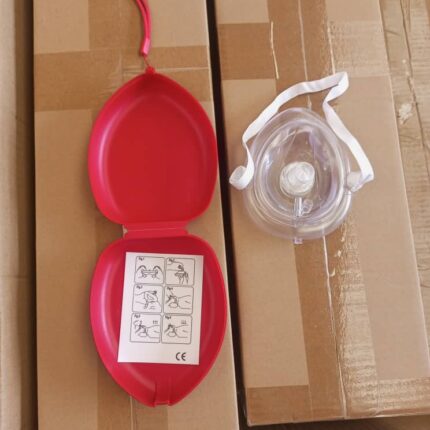
Mouth-to-Mouth Mask
The mouth-to-mouth mask, in its compact red case or the separate transparent mask, is a resuscitation device designed to facilitate artificial ventilation while protecting the rescuer.
Its main features are:
Hygiene and Protection: It reduces direct contact between the rescuer and the victim, minimizing the risk of cross-contamination from saliva, blood, or other bodily fluids.
One-Way Valve: Essential for safety, this valve prevents the victim’s exhaled air or regurgitation from returning to the rescuer.
Transparency: Most masks are transparent, allowing the rescuer to visually monitor the patient’s condition, including the presence of regurgitation.
Comfort and Effectiveness: It is designed to provide a good seal around the victim’s nose and mouth, ensuring effective ventilation. Some models incorporate an anatomical pad for a better fit.
Ease of use: Instructions are diagrammatically or printed directly on the mask or its packaging, as shown in the red case in the image.
Portability: Compact and lightweight, it can be easily carried in a first aid kit or as a keychain.
Materials: Made of PVC or silicone, and often latex-free to avoid allergies.
CE marking: Indicates compliance with European health, safety, and environmental protection standards.

Breathalyzer Mouthpieces
Breathalyzer mouthpieces have several essential features to ensure hygiene and reliable measurements.
Material and Hygiene: They are made of high-quality plastic (such as rigid PVC or food-grade polyethylene), safe to use, and single-use to prevent cross-contamination. Many are individually wrapped for maximum hygiene.
Compatibility and Adaptability: The mouthpieces are designed to be compatible with specific models. Their installation is simple and intuitive.
Use: They are essential for blowing into the breathalyzer and ensuring accurate blood alcohol level measurements.

Swab
Sterile swabs (“Sterile Swab Sticks”) and their main characteristics are as follows:
Sterility: They are individually packaged and labeled “STERILE SWAB STICK,” indicating that they are intended for medical or laboratory use requiring a sterile environment.
Single Use: As sterile consumables, they are designed for single use only to prevent cross-contamination.
Design: Each swab consists of a plastic stick and one end covered with an absorbent material (cotton).
Identification: The packaging includes fields for recording information such as the name (“NAME”), date (“DATE”), time (“HOUR”), bed (“BED”), and reference (“REF”), essential for sample tracking.
Certification: The presence of the “CE” marking indicates compliance with European Union health, safety, and environmental protection standards.
Application: These swabs are commonly used for collecting biological samples (nasal, oropharyngeal, skin, etc.) for diagnostic purposes, particularly for the detection of infectious diseases.

Male Urinal
The features of a portable male urinal generally include the following:
Capacity and Measurement: 1000 ml capacity, with a graduated scale to measure urine volume.
Material: Made of sturdy and durable plastic, lightweight and resistant to compression.
Ergonomic Design:
Integrated, easy-to-grip handle for easy handling.
Wide, stable base to prevent spills.
Wide, smooth opening for comfortable and discreet use.
Lid: Leak-proof lid to prevent spills and reduce odors.
Easy to Clean: Smooth surfaces for easy cleaning, can be washed by hand or in automatic disinfection machines.
Versatile Use: Ideal for bedridden people, the elderly, travel (long car trips, camping), and emergency situations.
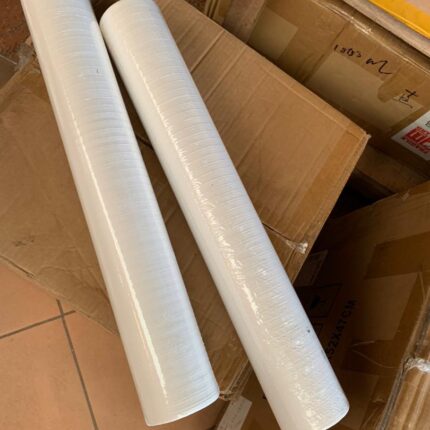
Examination Sheet
Characteristics of Examination Sheets
Examination sheets are essential medical consumables with several important features to ensure patient hygiene and comfort during examinations.
Composition and Structure:
Made of pure cellulose wadding, double-layered for improved absorption.
Embossed and laminated to provide an absorbent side (wadding) and a waterproof side (laminated).
Functionality and Hygiene:
Absorption: Designed to effectively absorb liquids and spills, reducing the risk of contamination and discomfort.
Protection: Serve as a barrier between the patient and medical equipment, preventing direct contact and limiting the risk of cross-contamination.
Single-use: Single-use only to ensure optimal hygiene and prevent the proliferation of microbes.
Dimensions and Format:
Available in 50×50 size
Pre-cut into individual sizes on a roll for ease of use.
Comfort: It provides a soft, breathable surface for patient comfort during the examination.
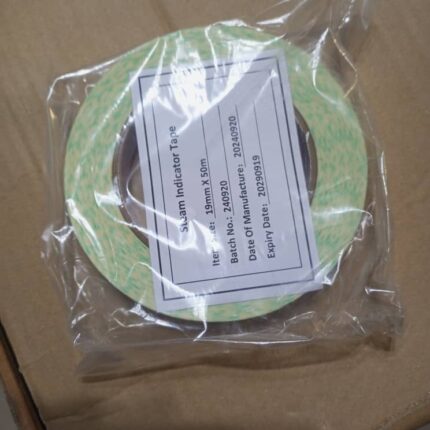
Steam indicator tape
Features of Steam Sterilization Indicator Tape
Steam sterilization indicator tape has the following features:
Indicator function: It is designed to indicate whether an item has been exposed to a steam sterilization process. Stripes printed with heat-sensitive ink change color (usually from white to dark brown or black) after exposure to sufficient heat and steam.
Dimensions: 19mm x 50m, which corresponds to the width and length of the tape.
Batch Number and Dates: The tape is identified by a batch number (“Batch No.: 240920”) and a manufacturing date (“Date of Manufacture: 20240920″).
Material and Adhesive: It is made from saturated crepe paper and uses a natural rubber-based adhesive, providing good adhesion and resistance to heat and humidity.
Standard Compliance: These tapes are designed to comply with international sterilization standards, such as ISO 11140-1:2014, which specifies the requirements for sterilization indicators.
Use: It is used to seal sterilization packages and visually differentiates sterilized items from those that have not yet been sterilized.

Talquist Paper
The Tallquist hemoglobin scale, like the R. Terry®, is a quick and easy tool for estimating hemoglobin levels in the blood.
Key Features:
Visual Comparison Method: It compares the color of a drop of blood absorbed onto a filter paper to a predefined color scale to estimate hemoglobin concentration.
Simple and Quick to Use: It does not require sophisticated equipment or electricity, making it useful in resource-limited settings, such as rural areas or primary healthcare centers.
Anemia Screening: It is primarily used for rapid anemia screening by assessing hemoglobin concentration in the blood.
Components: The kit includes a booklet or card with a color scale and absorbent filter papers for collecting blood samples.
Developed in the early 20th century: The Tallquist method was developed around 1900.
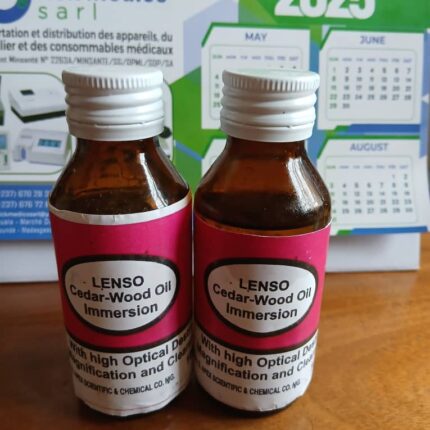
Immersion Oil
LENSO Cedarwood Immersion Oil is an immersion oil used in microscopy to improve the resolution and clarity of high-magnification images.
Key Features:
Use in Microscopy:
It is specifically designed for use with microscope immersion objectives, particularly at high magnifications (e.g., 100x).
Improving Resolution:
Its primary role is to reduce light refraction between the slide and the objective lens, minimizing image blur and increasing the sharpness of details, allowing for better observation of specimens.
Refractive Index:
Cedarwood oil has a refractive index of approximately 1.515, very close to that of the glass used in slides and coverslips, which is crucial for its effectiveness.
Suitable for biological specimens:
It is commonly used for observing biological specimens.
Origin:
It is a natural oil derived from cedarwood.
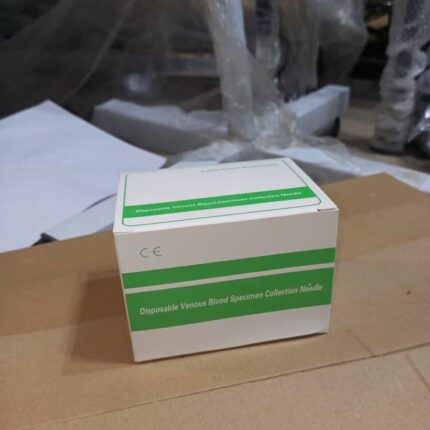
Vaccutaner Needle
Vacutaner needles, like the disposable venous blood collection needle shown in the image, have several important features for the safety and efficiency of blood collection.
General Features:
Single Use:
Designed for single use only to prevent infection and cross-contamination.
Material: The needle itself is made of high-quality stainless steel.
Treated Bevel:
The needle bevel is electrochemically treated to ensure smoother penetration and reduce patient discomfort.
Lubrication:
The cannula is vapor-lubricated to facilitate insertion.
Retractable Sleeve:
A soft, retractable sleeve is provided on the tube side to allow for the collection of multiple tubes.
Gauge Indicators:
Needle size is indicated by a gauge number (e.g., 21G, 23G), with a higher number corresponding to a smaller needle diameter.

Abdominal Gauze Sponge
The characteristics of abdominal gauze sponges are as follows:
Product Type: Abdominal Gauze Sponges
Dimensions: 40SX40S 24X20, or 45X45CM-8PLY, which indicates a size of 45×45 cm and a thickness of 8-ply.
Processing: Pre-washed and X-ray detectable.
Packaging: 2 pieces per pack.
Batch Information:
Batch Number (LOT): 20240815
These sponges are designed to be highly absorbent and are used during surgical procedures to manage fluids and protect wounds. They are also valued for their ease of use and their role in infection prevention due to their sterile nature.
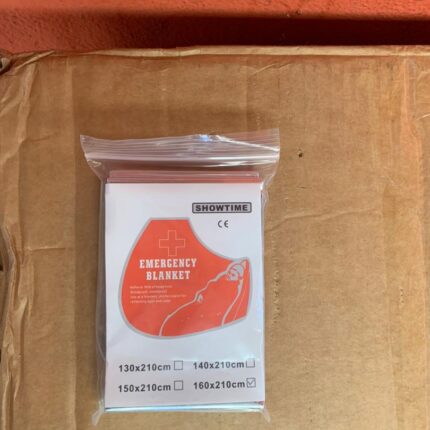
Emergency Blanket
The features of the emergency survival blanket are as follows:
Product Type: Emergency Blanket
Brand: SHOWTIME
Certification: CE Marked
Dimensions: Available in several sizes, including 160x210cm. The 160x210cm size is marked in the image, indicating that this is the specific size for this product.
Main Function: Designed for thermal insulation, helping prevent hypothermia by reflecting body heat (approximately 90%) and protecting against cold, moisture, and harsh weather such as wind and rain.
Material: Made from a metallized polyester film, made of tear-resistant and waterproof PE (polyethylene).
Use: Versatile, it can be used as an emergency shelter, ground sheet, or protection during outdoor activities such as hiking, camping, or in an emergency.
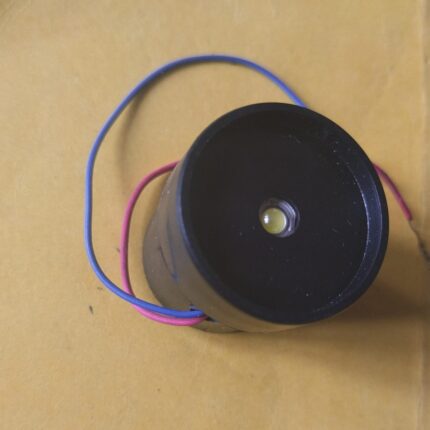
LED Microscope Bulb
The main features of an LED microscope bulb include high brightness, long lifespan, low heat emission, and low power consumption.
Here is a detailed explanation of these features:
High brightness and uniform illumination: LEDs provide powerful, focused illumination with adjustable intensity (0 to 100%), which is essential for clear and detailed observation of samples under the microscope. LED ring lights, for example, provide virtually shadow-free illumination.
Long lifespan: Unlike traditional bulbs, LEDs have a significantly longer lifespan, reducing replacement frequency and maintenance costs.
Low heat emission: LEDs generate very little heat compared to halogen or incandescent light sources, which is crucial for the protection of heat-sensitive samples and for user comfort.
Low energy consumption: LEDs are highly energy efficient, converting electricity into light more efficiently and reducing energy consumption.
Compact and durable: LEDs are small, allowing for easy integration into increasingly miniaturized microscopes. They are also resistant to vibration and shock, as they contain no fragile filaments or glass.
Constant color temperature: They provide a stable color temperature, which helps reduce eye strain during prolonged observations.