X-ray Protective Collar
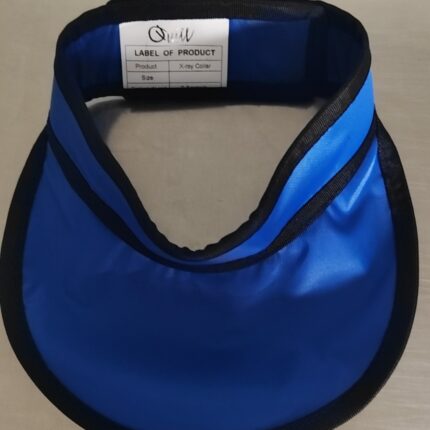
The X-ray protective collar, also known as a lead thyroid collar, has the following features:
Radiation Protection:
It is designed to provide optimal protection of the neck and thyroid area from X-rays during radiological examinations. It has a lead equivalent of 0.3 mm or 0.5 mmpb for effective protection.
Design and Materials:
Made of durable lead rubber or polyurethane-coated fabric.
Ease of Use:
The Velcro design on the back allows for easy on and off and allows the collar to be adjusted for a comfortable and secure fit.
It is designed to be lightweight and soft for the comfort of the patient or professional.
Durability:
It is robust and designed for durability, ensuring extended use.
Applications:
Suitable for various medical settings, including dentistry, hospitals, and X-ray offices.
Single-Use Specula
Disposable vaginal specula, commonly used for gynecological examinations. Their main characteristics are:
Single-use and hygiene:
These specula are designed for single-use, eliminating the need for complex cleaning and sterilization associated with reusable specula. They are generally sterilized with ethylene oxide and individually wrapped to ensure maximum hygiene and reduce the risk of cross-infection.
Material and transparency:
Made of polystyrene resin or transparent plastic, they provide excellent visibility of the vaginal canal and cervix during the examination. Plastic is also perceived as cooler and more comfortable for the patient than metal.
Design and practicality:
They are lightweight and robust, facilitating handling by the healthcare professional. Most incorporate a locking system (often by twisting) to keep the valves open during the examination.
Various Sizes:
Available in several sizes (medium and large) to accommodate different anatomies.
Type:
The specula shown in the image are of the Cusco type, recognizable by their two-valve shape.
Umbilical Cord Clamp
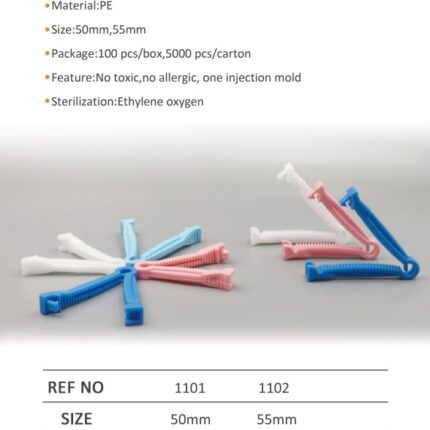
The characteristics of the umbilical cord clamps shown in the image are as follows:
Material: Polyethylene (PE).
Available sizes: 50 mm and 55 mm.
Packaging: 100 pieces per box, 5000 pieces per carton.
Properties: Non-toxic, non-allergenic, single-injection molded.
Sterilization: Ethylene Oxide
3-Way Stopcock
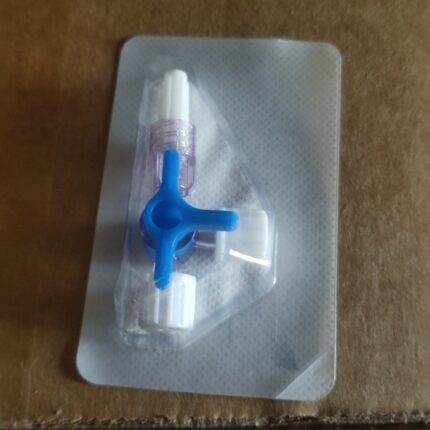
The characteristics of the 3-way stopcock, commonly used for infusion and sampling, are as follows:
Materials and Composition:
Made of polycarbonate, offering lipid resistance.
Fully transparent housing for clear identification of the open/closed position and flow direction.
Sterilized with ethylene oxide.
Latex-free and pyrogen-free.
Connections and Use:
Features two female inlets and one male outlet, usually Luer Lock type.
360° rotating ring for opening and closing each line.
Designed to manage the flow of infusion fluids and allow for switching flow lines.
Single-use only to prevent cross-infection.
Features and Specifications:
Allows the administration of infusion solutions and intermittent intravenous medications.
Can be used for blood sampling.
Resistance to hydrostatic pressure (e.g., 3-5 bar).
Compatible with blood and blood derivatives.
May be lipid-resistant, cytostatic, and resistant to antiseptics and other caustic drugs.
Conformity:
CE Marking – Class IIa.
Complies with the requirements of European Directive 93/42/EEC as amended by Directive 2007/47/EC.
Hypodermic Needle
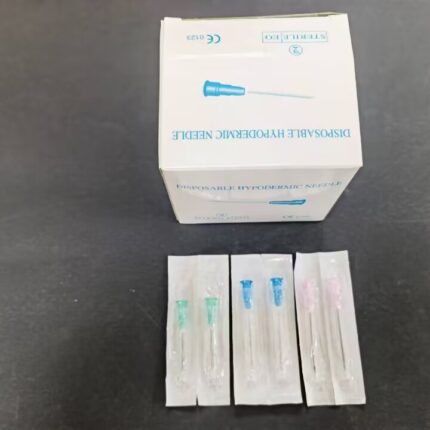
Disposable hypodermic needles have several essential characteristics for their medical use:
Sterility and Single Use:
They are sterilized (e.g., by EO gas, as shown in the image “STERILE EO”) and designed for single use only to prevent contamination and the transmission of infections.
Material of Construction:
Made of high-quality stainless steel, they are non-toxic and non-pyrogenic.
Tip Design:
They feature a sharp, beveled tip for smooth penetration and maximum patient comfort.
Easy Identification:
The needle hub is color-coded by size (gauge) for quick and easy identification, and can be semi-transparent to allow for visualization of blood flow (flashback).
Compatibility:
They are designed to securely connect to syringes, often via a Luer Lock or Luer Slip connector.
Quality Certifications:
They bear conformity marks such as the CE mark (e.g., “CE 0123” in the image), attesting to their compliance with European safety and quality standards.
Packaging:
Each needle is generally individually sterile packaged to maintain its integrity until use.
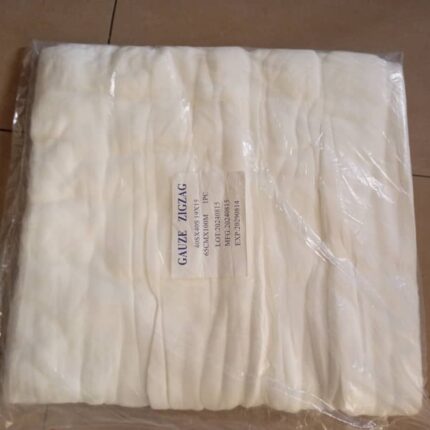
Gauze Compress
The specific characteristics of the gauze compress are as follows:
Gauze type: Zigzag gauze.
Dimensions: 65 cm x 100 m.
Weave: 40S x 40S, 19 x 15 threads (weave density).
Packaging: IPC (Individually Packed).
Batch number: 2024081.
General characteristics of gauze compresses:
Gauze compresses, like the one shown, are medical devices commonly used for wound care and hygiene.
Composition:
They are generally made from absorbent cotton, which makes them soft and absorbent.
Use:
They are intended to absorb bleeding and exudate, clean and disinfect wounds, or make dressings.
Sterility:
They can be sterile (for surgical procedures or infected wounds) or non-sterile (for daily care without the risk of infection).
Folding:
A surgical fold with tucked edges is often used to prevent fraying and minimize the risk of irritation or contamination.
Absorbency:
Their woven structure ensures high liquid absorption capacity.
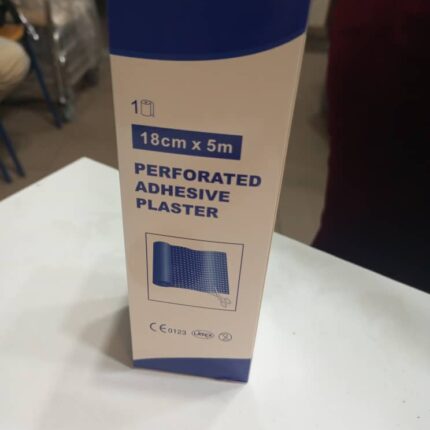
Adhesive Tape
The characteristics of the 18 cm x 5 m perforated adhesive tape are as follows:
Dimensions:
18 cm wide and 5 meters long.
Adhesive Type:
Zinc oxide-based or synthetic, latex-free for some models.
Backing:
Non-stretch fabric, such as fibranne or a similar textile backing.
Perforation:
Perforations (holes) allow air and moisture permeability, promoting better skin tolerance.
Adhesion:
Strong adhesiveness for secure fixation of dressings or care equipment, while being designed not to affect normal skin function.
Ease of Use:
Often tearable by hand in both directions for convenient application.
Indications:
Used for holding dressings in place and securing catheters or other medical equipment.
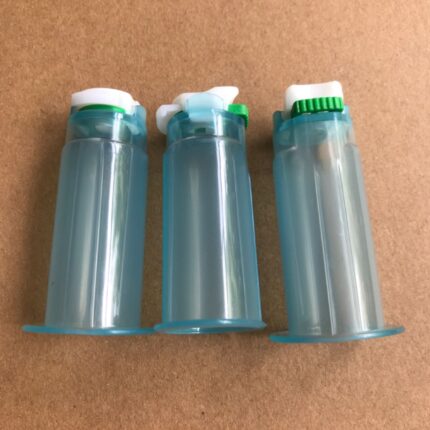
Pump body
Pump bodies are used for blood collection. Their main features are:
Increased safety:
Designed to separate the needle from the collection tube, they prevent incidents related to splashing and clotting of the collected blood.
Compatibility:
Their size is suitable for 13 mm and 16 mm diameter collection tubes, as well as blood culture tubes.
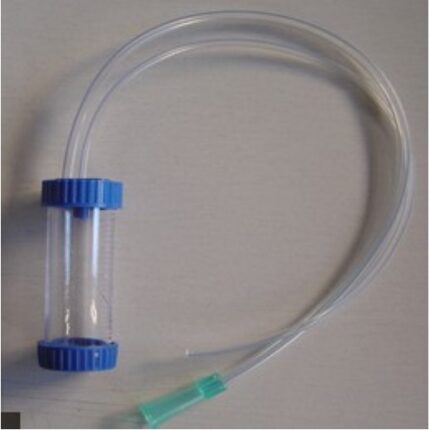
Redon Drain
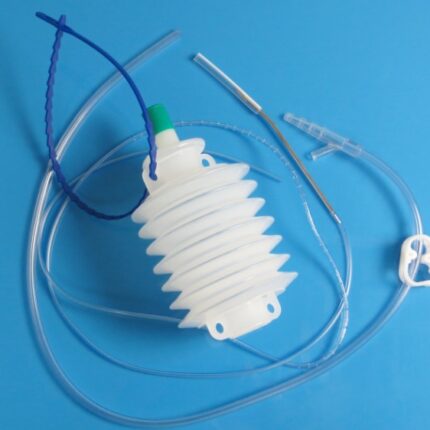
A suction wound drainage system, such as a Redon drain. Its main features are:
Suction Reservoir:
The central element is a bellows-shaped reservoir (or bulb) that creates continuous suction to remove wound fluid.
Continuous Drainage:
The system ensures constant drainage of exudate and blood to prevent fluid accumulation and promote healing.
Sterility:
These systems are generally supplied sterile to minimize the risk of wound infection.
Materials:
Reservoirs can be made of PVC or silicone, and drains are often made of silicone for their biocompatibility and flexibility, minimizing tissue reactions.
Components:
The kit includes a reservoir, a drainage tube (sometimes with a trocar for insertion), and connectors.
Use:
It is used for postoperative drainage of surgical wounds to remove excess fluids and maintain an environment conducive to healing.
Surgical Light Bulb
Shadowlees Lamp Features:
Bulb Type: Tungsten Halogen Lamp
Voltage: 24V
Wattage: 25W
Cap Size: BA15D
Main Application: Surgical shadowlees lamps, including single-hole, four-hole, five-hole, and nine-hole shadowless.
Brightness: High luminous intensity, luminous flux of 300LM
Lifespan: Designed for reliable use, up to 600 hours of continuous use.
Body Material: Durable glass
Energy Efficiency: 25lm/W light output, providing good energy efficiency.
Light Quality: Provides a soft, warm white light with a color temperature of 2700K, providing comfortable lighting.
User-friendly design: Compatible with dimmers and meets CE certification standards for safety and quality.
Petri Dishes
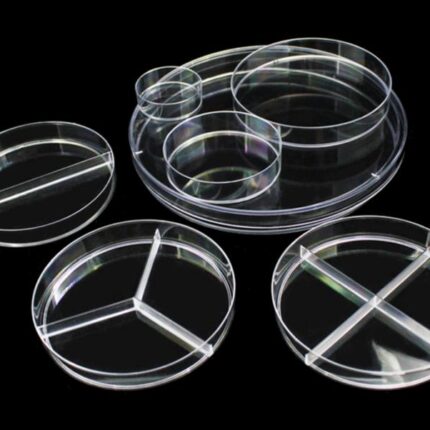
Plastic Petri dishes, commonly used in microbiology and cell culture, have several distinct characteristics:
Material:
They are generally made of high-quality polystyrene (PS), providing excellent optical clarity for distortion-free microscopic observation.
Sterility:
Most plastic Petri dishes are sterile and ready to use, which is essential for cell culture and microbiological applications to avoid contamination.
Design:
They are designed to promote uniform cell growth thanks to a flat growth surface. The lids often feature vents to ensure constant gas exchange while protecting the culture environment.
Variety of formats:
Available in different sizes (e.g., 90 mm as mentioned in the search results) and configurations (single or multi-well, round or rectangular, with or without compartments as shown in the image), they adapt to various experimental needs.
Identification:
Numerical indicators can be present on the bottom to facilitate identification of cell locations.