


Graduated Pipette
The characteristics of these graduated pipettes are as follows:
Brand and Volume:
This is a Citotest brand graduated pipette, with a maximum volume of 50 ml.
Materials:
It is made of glass, as suggested by its transparency and common laboratory use for this type of instrument.
Graduations:
The pipette features clear and precise graduations, allowing for accurate measurement of liquids.
Conformity:
Graduated pipettes of this type comply with the accuracy standards for laboratory volumetric instruments, such as the ISO 6706 Class B standard for graduated cylinders mentioned for similar Citotest products.
Use:
It is designed for transferring and measuring precise volumes of liquids in the laboratory, particularly for liquid handling.

Graduated telescopic rods
Telescopic Design: The rod can extend or retract to achieve the desired length, making it versatile for different applications.
Graduated Markings: Etched measurements along the rod provide a precise visual reference for the amount of extension or retraction, allowing for accurate length adjustments.
Adjustable Length: The primary function is to allow for precise length control, crucial in applications like orthopedic surgery for aligning fixation devices.
Material: Often constructed from durable, high-quality materials like stainless steel or aluminum, chosen for their strength, corrosion resistance, and suitability for sterilization.
Portability: When collapsed, they are compact and easy to transport or pack, a significant advantage in field settings like surveying or travel.
Precision and Accuracy: The rod’s graduations and high-quality construction ensure reliable and precise measurements and alignment.
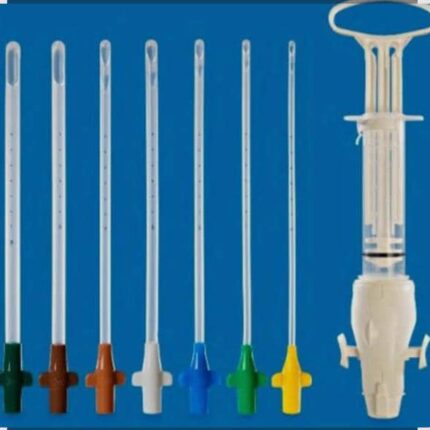
Gynecological Manual Vacuum Aspirator
The image shows a gynecological manual vacuum aspiration (MVA) kit, also known as a manual vacuum aspiration (MVA) kit.
Key features of the gynecological vacuum aspirator (MVA kit):
Complete kit:
It usually includes a double-valve (or single-valve) syringe, Karman cannulas of various sizes, an adapter, and lubricating oil.
Sterile and safe:
Designed for single use and sterilized to ensure maximum patient safety and prevent cross-contamination.
Precise suction control:
The double-valve syringe allows controlled negative pressure, essential for safe and effective uterine evacuation.
Lightweight and portable:
Its compact design makes it easy to handle and suitable for procedures in the clinic or on the go.
Atraumatic Cannula:
Karman cannulas are smooth, with a rounded tip and smooth orifices for atraumatic insertion and increased patient comfort.
Medical-Grade Materials:
The components are manufactured from medical-grade materials, such as polypropylene, ensuring the reliability and safety of the device.
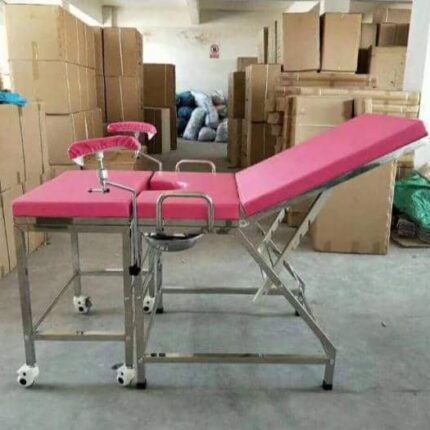
Gynecological Operating Table
2-Section Stainless Steel Delivery/Gynecological Table
Key Features:
✔ Durable Construction – Stainless steel frame with padded examination surface (hygienic & patient-comfort)
✔ Adjustable Design – Tiltable upper section for optimal patient positioning during delivery/exams
✔ Integrated Functionality –
-
Retractable leg stirrups (lithotomy position)
-
Built-in stainless steel basin for fluid collection
✔ Mobility & Stability – Heavy-duty casters for easy transport + locking mechanism
Clinical Advantages:
-
Seamless Cleaning – Anti-corrosive, smooth surfaces
-
Versatile Use – Designed for childbirth, gynecological exams, and minor procedures
-
Space-Efficient – Compact yet sturdy footprint
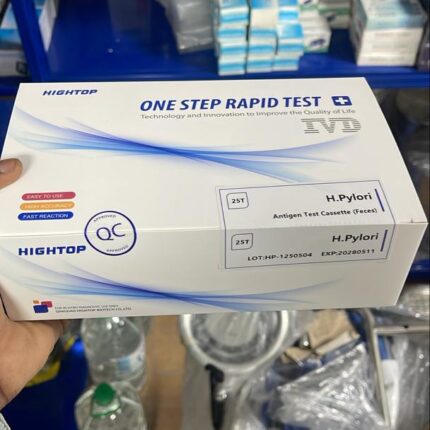
H. pylori
The features of the Hightop H. pylori Antigen Rapid Test are as follows:
Test Type: One-step rapid test for the detection of H. pylori (Helicobacter pylori) antigen.
Specimen: Designed for the detection of H. pylori antigen in stool (feces).
Format: Antigen test cassette.
Quantity: Box contains 25 tests.
Ease of Use: Easy to use, no equipment required.
Speed: Fast response, with instant results in approximately 10 minutes.
Storage: Store at room temperature (2-30°C).
Quality Control (QC): Includes an internal quality control check to validate the procedure.
Test Principle: Detects the presence of H. pylori antigens using specific antibodies conjugated to colored particles, with a test line (T) and a control line (C) on a nitrocellulose membrane.
Interpretation of Results: The presence of a colored line in both the T and C lines indicates a positive result, while a C line alone indicates a negative result. The absence of a C line renders the test invalid.
Application: Intended for the identification of H. pylori bacteria, which play a role in chronic gastritis, peptic ulcer disease, and gastric cancer.

Half Ring
Material: Surgical-grade stainless steel (SS), durable, lightweight, and corrosion-resistant.
Size: Available in a range of sizes, e.g., 100 mm to 200 mm.
Finish: Often a satin finish for a discreet, professional appearance.
Use: Used in orthopedic procedures to aid in bone fixation and consolidation, particularly as part of an implant set.
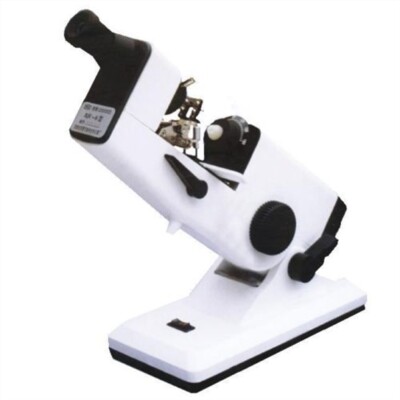
Hand lens meter
Lens power Measurement: Can measure spherical power, cylindrical power, and axis (direction) of cylindrical lenses.
Prism Power & Base Direction: Determines the strength of a prism and its base direction.
Optical Center Marking: Includes a precision inking attachment to mark the lens’s optical center for cutting and edging.
Used for quality control and manufacturing of lenses.
Opticians’ Shops: Essential for verifying prescription lenses and fitting glasses.
Ophthalmology: Employed in hospitals and clinics for comprehensive eye.

Hand- held fundus cameraV
Portability & Compactness: Designed to be ultra-lightweight and compact, allowing for easy handling and use in diverse settings like community and low-resource environments.
Non-mydriatic Operation: Many devices operate without dilating the pupils, making the exam more comfortable for patients and efficient for healthcare providers.
Ease of Use: Features such as auto-focus, auto-exposure, and an on-screen targeting aid (internal fixation LEDs) simplify the image acquisition process, even for less experienced users.
Connectivity: Support wireless and wired data transfer (WLAN, USB) and cloud integration for image management, remote analysis, and integration into hospital systems.

Handheld Auto Refractometer
The HAR-680 handheld auto refractometer offers the following key features, ideal for vision screening and accurate measurement of refractive errors:
Innovative Technology: This wavefront refractometer accurately measures refractive errors in patients from 6 months to adulthood in seconds.
Ease of Use: Designed for convenience and ease of use, it features one- or two-button operation and a short working distance, making it easy to focus.
Versatility: It can refract babies, children, and adults, even when they wear glasses or contact lenses.
Flexible Operating Conditions: No darkroom is required; the device operates in normal light conditions.
Result Display: Results are displayed directly on the device’s screen.
Portability: Its portable and lightweight design makes it very convenient for mass vision screening, home visits, or nursing home visits.
Data Transfer: It offers USB, Wi-Fi, and Bluetooth connections for easy data transfer to a PC or printer (Bluetooth printer optional).
Measuring Range:
Sphere: -10.0D ~ +10.0D, in 0.25D steps.
Cylinder: -5.0D ~ +5.0D, in 0.25D steps.
Astigmatism Axis: 1° ~ 180°, in 1° steps.
Data Acquisition Time: Less than 1 second per eye.
Iris Imaging: Yes.
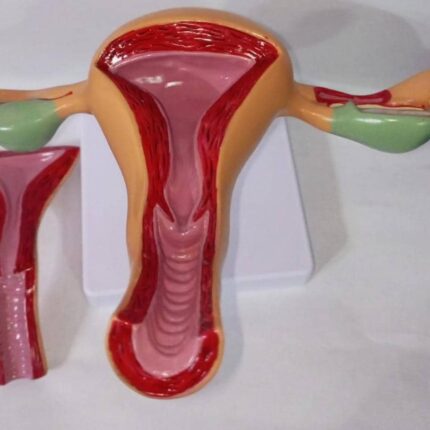
Healthy Uterus
Features of a healthy uterus model, such as this one, include the following:
Detailed Anatomical Representation: The model shows the three-layered structure of the uterus (endometrium, myometrium), the uterine cavity, the cervix, and the vagina, often with the fornix visible.
Associated Female Reproductive Organs:
It includes the ovaries and fallopian tubes (oviducts), illustrating their relationship to the uterus. Sections may show follicles and the egg in various stages of maturity.
Open Vagina and Cervix:
The vagina and cervix are cut longitudinally to allow internal visualization of the uterine lining and uterine muscles.
Life-Size and Realistic:
The model is generally life-size for better anatomical understanding, with hand-painted structures for increased realism.
Educational Use:
Designed as an educational tool for teaching female anatomy, it is useful for medical students and healthcare professionals.

Hearing Aid
Cyber Sonic Hearing Aid
Key Features:
✔ Advanced Sound Amplification – Boosts sounds up to 40 dB with high-definition digital processing for clear, natural audio with minimal distortion.
✔ Customizable Fit – Lightweight (<10g) and adjustable for both left and right ears.
✔ Precision Control – 6 adjustable volume levels for personalized hearing.
✔ Discreet & Comfortable – Compact behind-the-ear design with ergonomic shaping to reduce wind noise and ensure all-day comfort.
✔ Complete Ready-to-Use Kit – Includes:
-
8-piece set (hearing aid + accessories)
-
Free protective case
-
LR44 button cell battery (pre-installed for long life).
Why Choose Cyber Sonic?
-
Crystal-Clear Sound: Digital technology minimizes circuit noise.
-
User-Friendly: Simple operation with no complicated setup.
-
Portable Protection: Hard case safeguards the device during travel/storage.
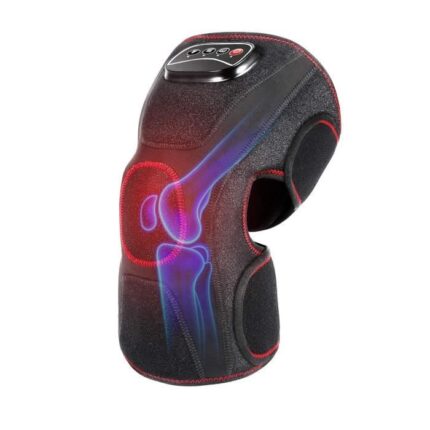
Heated Knee Massager with Air Compression
Here are the main features of a heated knee massager with air compression, such as the QUINEAR Knee Massager, shown in the image:
Air Compression Massage and Heat Therapy: Designed to relieve joint pain, muscle stiffness, and soreness, stimulate blood circulation, reduce joint swelling, and accelerate recovery from injury.
Adjustable Levels:
Air Pressure Intensities: Typically 3 levels (Mild/Medium/Strong) to customize the massage.
Heating Levels: Often 2 or 3 heat levels for soothing relief.
Design and Fit:
Adjustable Straps: Equipped with separate upper calf and lower thigh straps with Velcro design for a secure and customized fit, adapting to different knee sizes (e.g., 15″-24″).
Ease of Use: Integrated control panel with functional buttons to adjust modes and intensity.
Safety and Convenience:
Auto Shutoff: Features an automatic shutoff function (e.g., after 20 minutes) to prevent overheating and overmedication.
Overheat Protection: Built-in thermostat sensor that automatically adjusts or shuts off the device in case of overheating.
Power: Often powered by an AC adapter for powerful, consistent heat and compression, unlike battery-operated models with limited battery life.
Portability: Lightweight and often comes with a storage bag, making it easy to transport and use at home or in the office.